
A denture that once fit snugly can gradually become loose, leaving you with sore gums, painful rubbing, and a constant worry about slipping while you eat or talk. This shift doesn’t happen overnight, and understanding why it occurs is the first step toward getting comfortable again. Below, we break down what causes loose dentures, the damage they can do to your mouth, and the practical steps you can take to fix the problem before it gets worse.
Why Your Jawbone Shape Changes Over Time
The bone and gum tissue under your denture are not static structures. Once natural teeth are removed, the jawbone that used to support them starts to shrink and reshape itself through a process called resorption. This happens gradually over months and years, which is why a denture that fit perfectly at first can feel noticeably loose later on.
This bone loss changes the contours your denture was originally molded to fit. As the ridge flattens, the base of the denture loses its suction and stability, causing it to shift during normal use. This is a natural part of aging with dentures, not a sign that something was done incorrectly.
- Bone resorption is fastest in the first year after tooth extraction
- Lower dentures typically lose stability faster than upper dentures
- Weight loss and certain health conditions can speed up bone changes
- Regular checkups help track how much the jawbone has shifted
How Rubbing and Friction Lead to Sores

When a denture no longer sits securely, it shifts against the gums with every bite, chew, or word spoken. That constant sliding motion can happen dozens or even hundreds of times a day, and it wears down the soft tissue much like an ill-fitting shoe rubs a blister into the skin. Over time, this friction irritates the gums, creating red, tender spots that can turn into open sores if left unaddressed. The areas most commonly affected are the ridges where the denture edges press hardest, along with the inner cheeks and the roof of the mouth for upper plates. Once the outer layer of tissue breaks down, everyday activities like eating acidic foods or even talking can sting or burn. Left untreated, these irritated spots can worsen into ulcers that take much longer to heal and may become entry points for bacteria. Some people also develop a condition called denture stomatitis, where the tissue under the denture becomes chronically inflamed, often taking on a red, velvety appearance. This is frequently linked to constant low-grade friction combined with trapped moisture and yeast buildup, particularly in people who wear their dentures overnight. Because the inflamed tissue is more porous and vulnerable, it becomes an easier target for fungal infections like oral thrush, which can further complicate healing.
A denture that shifts even slightly with every bite creates constant back-and-forth movement against soft tissue, and that repeated rubbing is what wears the skin down. These sores tend to appear in predictable places, especially along the ridges, the roof of the mouth, and where the denture edges meet the cheek. Areas that bear the most pressure during chewing, like the crest of the lower ridge, are usually hit hardest because that’s where the denture flexes and rocks the most. Ignoring the pain often makes people avoid chewing on that side, which can lead to uneven bite pressure and even more irritation elsewhere. Over time, this compensation pattern can create a cycle: one sore spot leads to lopsided chewing, which then strains the opposite side and produces a second sore. Some people also start favoring softer foods or cutting things into smaller pieces just to avoid the discomfort, which can affect nutrition if it goes on for weeks. What starts as a small red patch can worsen quickly if the friction isn’t addressed. Within just a day or two of continuous rubbing, mild redness can progress to an open ulcer, and repeated irritation in the same spot can eventually cause the tissue to thicken or scar.
- Sores that don’t heal within a week or two need professional attention, as normal irritation typically resolves in a few days once pressure is relieved
- White patches or persistent redness can signal fungal irritation, such as denture stomatitis, which thrives in the warm, moist space between an ill-fitting denture and the gums
- Sharp or cracked denture edges make friction worse, especially along the ridges or borders where the appliance meets soft tissue
- A denture that rocks or shifts when you talk or chew concentrates pressure on small areas, turning mild rubbing into deeper, more painful ulcers
- Numbness combined with soreness is a sign to get checked promptly, since it may point to nerve irritation rather than simple tissue rubbing
- Sores that keep recurring in the exact same spot suggest a structural fit problem that home remedies won’t fix, not just temporary irritation
Everyday Habits That Make a Loose Fit Worse
Certain daily habits can accelerate looseness or intensify the discomfort it causes. Sticky foods, for example, pull at a false tooth’s seal and can dislodge it mid-meal, while skipping cleaning routines allows plaque and buildup to change how the appliance sits against the gums. Even talking or laughing more than usual can reveal how unstable a poorly fitted appliance has become.
- Chewing gum or very sticky candies can loosen the seal quickly
- Not removing the appliance at night gives gum tissue no time to rest
- Using too much adhesive can mask a fit problem instead of solving it
- Grinding or clenching adds extra pressure on already-shifting gums
Simple Adjustments You Can Try Before Seeing a Professional
While a proper fix usually requires professional care, there are small steps you can take at home to ease discomfort in the meantime. Rinsing with warm salt water (about half a teaspoon of salt in a cup of warm water) two to three times a day can calm irritated tissue and help reduce swelling around sore spots. Avoid mouthwashes with alcohol during this time, as they tend to dry out and further irritate already tender gums. Applying a thin layer of soothing oral gel, such as those containing benzocaine or clove oil, to sore areas may reduce stinging temporarily. Use these sparingly and only as directed, since overuse can mask pain that’s actually signaling a spot needing adjustment. If you notice the same area flaring up repeatedly, it’s worth mentioning to your dentist, as it may point to a specific pressure point on the denture. Soft, non-sticky foods are also easier on tender areas while you wait for an appointment. Think mashed potatoes, scrambled eggs, oatmeal, and soups rather than crusty bread, nuts, or chewy meats that can rub against sore gums. Cutting food into smaller pieces and chewing on the less affected side can also help minimize additional irritation until you’re seen. It’s also a good idea to remove your dentures at night to give your gums a chance to rest and recover. Keeping a short log of when and where soreness occurs can be genuinely helpful information for your dentist at your next visit.
- Rinse with warm salt water (½ tsp salt in a cup of warm water) two to three times a day to reduce inflammation
- Avoid extremely hot, hard, or spicy foods until sores heal; stick to soft options like yogurt or mashed vegetables
- Remove your dentures for a few hours daily, especially at night, to let irritated gum tissue rest and breathe
- Use a soft-bristled brush and gentle strokes around sore spots instead of scrubbing
- Keep the affected area clean and dry, and pat it gently rather than rubbing when drying
- Apply a small amount of over-the-counter oral gel for temporary relief, checking it’s safe for denture wearers
- Check your denture for visible rough edges or cracks that may be worsening irritation before reinserting it
Professional Solutions for a Denture That No Longer Fits
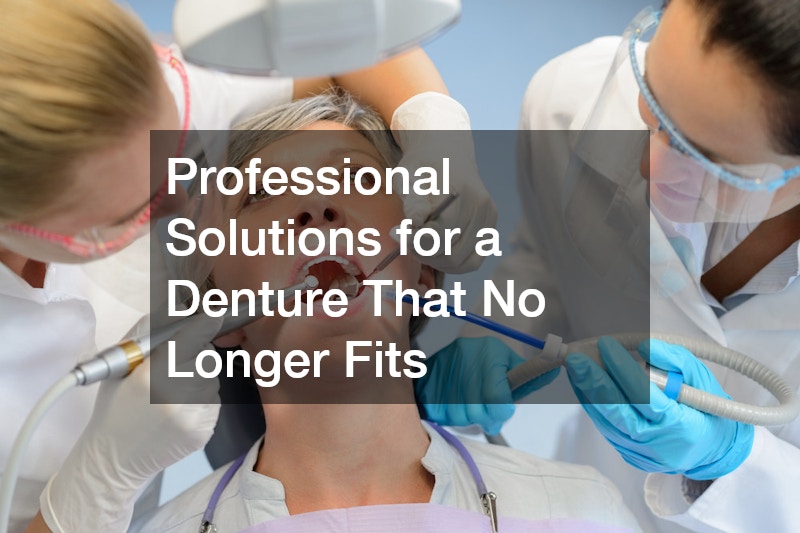
When home remedies aren’t enough, it’s time to have the fit evaluated by someone trained to assess bone changes and appliance wear. A family dentist can examine your gums, check for pressure points, and determine whether the issue is a simple adjustment or a sign that a new appliance is needed. In many cases, a reline or rebase can restore a comfortable, secure fit without requiring an entirely new set.
A full mouth appliance is not meant to last forever, and most need replacement or significant adjustment every five to seven years as the mouth continues to change shape. General dentists often recommend annual checkups even for patients without natural teeth, since they can catch early signs of bone loss, gum disease, or oral cancer that a patient might not notice on their own. Waiting too long to address a loose fit can lead to more sores, infections, and difficulty eating a balanced diet.
- A reline adds new material to the base for a tighter fit
- A rebase replaces the base while keeping the existing teeth
- A new appliance may be recommended if bone loss is significant
- Routine exams help catch fit problems before sores develop
A loose denture is rarely something to just live with, since ongoing friction and sores can affect your comfort, nutrition, and confidence. Paying attention to changes in fit and addressing them early makes a real difference in how your mouth feels day to day. If soreness persists or your denture feels unstable, schedule a visit with a trusted dental provider who can pinpoint the cause and get you back to eating and speaking without pain.