

Seeing pink or red in the sink after you floss can be alarming, and it might make you want to skip flossing altogether. But bleeding gums are actually your mouth’s way of sending you a message, and understanding that message is the first step toward fixing the problem. In most cases, the cause is treatable and even reversible with the right habits. This guide breaks down why it happens, what it usually means, and when it is time to get professional input.
Plaque Buildup Along the Gumline
The most common reason gums bleed during flossing is a buildup of plaque, the sticky film of bacteria that constantly forms on your teeth. Plaque begins forming within hours of brushing, and if it isn’t removed daily, it hardens into tartar within about 24 to 72 hours, a rough deposit that only a dental professional can remove. When plaque is allowed to sit along the gumline, it irritates the delicate tissue and triggers inflammation, a condition known as gingivitis. Your body’s immune response sends extra blood flow to the area to fight off the bacterial irritants, which is why the gums often appear redder and puffier than healthy tissue. This inflamed tissue becomes fragile and bleeds easily when disturbed, even by something as gentle as floss. You may also notice tenderness, mild swelling, or a slightly puffy appearance along the gumline, especially between teeth where plaque tends to accumulate unnoticed. The good news is that gingivitis caused by plaque is typically reversible. With consistent flossing, brushing twice daily, and a professional cleaning to remove any hardened tartar, most people see the bleeding subside within one to two weeks as the gum tissue heals.
The good news is that gingivitis is usually reversible with consistent oral hygiene. Once plaque is removed regularly, the inflammation typically subsides within one to two weeks, and the bleeding stops. This healing window can vary depending on how much plaque and tartar have accumulated, so some people notice improvement in just a few days while others need closer to two weeks of diligent care. The key is not to stop flossing when you see blood, but to keep going so the gums can heal. Gently flossing once a day, brushing twice daily with a soft-bristled brush, and angling the brush toward the gumline at roughly 45 degrees all help disrupt the bacterial film before it hardens into tartar. Using an antimicrobial or fluoride mouthwash can also support healing during this recovery period. If bleeding persists beyond two to three weeks despite regular flossing and brushing, it’s worth scheduling a dental cleaning. Hardened tartar below the gumline can’t be removed with a toothbrush or floss alone, and a professional cleaning may be necessary to fully resolve the inflammation.
Flossing Technique and Frequency Matter
Sometimes the issue is not disease at all, but simply how and how often you floss. Gums that are not used to daily flossing tend to bleed for the first several sessions, similar to how skin might react to a new form of exercise. Snapping the floss down too hard or sawing aggressively against the gum tissue can also cause bleeding that has nothing to do with underlying disease.
- Use a gentle C-shape motion around each tooth instead of forcing the floss straight down
- Floss at least once daily to build tissue resilience over time
- Switch to waxed floss or a floss pick if regular floss shreds or cuts into gums
- Avoid skipping days and then flossing aggressively to compensate
- Replace jerky motions with slow, controlled movements against the tooth surface
Underlying Gum Disease Beyond Gingivitis
If bleeding persists for more than two weeks despite consistent flossing and brushing, it could signal something more advanced than simple gingivitis. Periodontitis is a more serious stage of gum disease where inflammation extends below the gumline and begins affecting the bone and connective tissue that hold teeth in place. Unlike gingivitis, periodontitis is not fully reversible, though its progression can be slowed and managed with proper care.
Warning signs often accompany the bleeding when periodontitis is involved, and recognizing them early can prevent tooth loss down the road. If dental anxiety has kept you from addressing these symptoms sooner, seeking out a sedation dentist can make it easier to get the thorough evaluation and treatment you need without added stress.
- Gums that appear red, swollen, or pulled away from the teeth
- Persistent bad breath that does not go away with brushing
- Loose or shifting teeth
- Pus between the teeth and gums
- Changes in how your bite feels when you chew
Health Conditions and Medications That Contribute to Bleeding
Not all gum bleeding stems from oral hygiene alone. Certain health conditions, such as diabetes, blood clotting disorders, and vitamin deficiencies, can make gums more prone to bleeding regardless of how well you clean your teeth. Hormonal shifts during pregnancy also increase blood flow to the gums, making them more sensitive and reactive to flossing.
Medications play a role as well, particularly blood thinners like aspirin or warfarin, which reduce the blood’s ability to clot quickly. If you have recently started a new medication or have a chronic health condition, it is worth mentioning bleeding gums to your physician or dental provider so they can rule out or address a contributing factor.
When to Schedule a Professional Cleaning and Exam
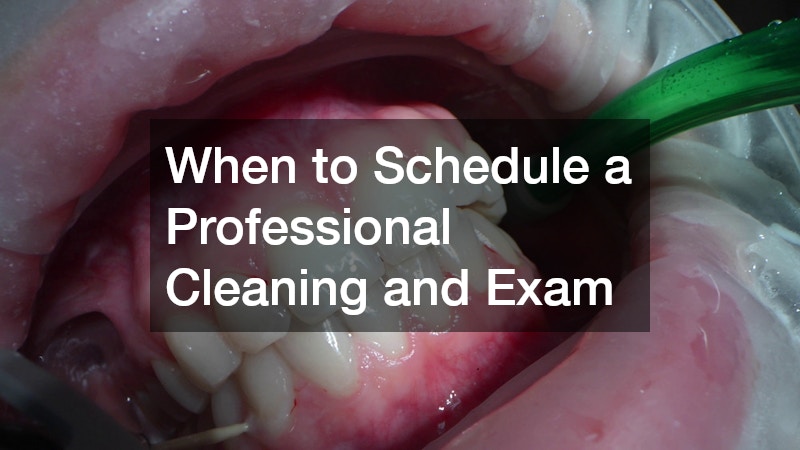
If bleeding continues for more than two weeks, worsens, or is accompanied by pain, swelling, or loose teeth, it is time to get a professional opinion rather than waiting it out. A visit to the dental office allows for a thorough cleaning that removes hardened plaque, known as tartar, which cannot be eliminated with floss or a toothbrush alone. Dentists can also measure gum pocket depth and check for early signs of periodontitis that are not visible to the naked eye.
Routine visits are also a chance to correct flossing technique in person, since many people unknowingly use methods that irritate rather than clean the gums. For patients who have gone years without a checkup, easing back into care with a cleaning and exam scheduled every six months helps the dental office track changes in gum health over time rather than reacting only when problems become painful. Consistency in scheduling, more than any single visit, is what allows dentists to catch small issues before they turn into bigger ones.
Bleeding gums are rarely something to ignore, but they are also rarely a reason to panic. In most cases, sticking with gentle, consistent flossing will resolve the issue within a couple of weeks. If bleeding lingers, worsens, or comes with other symptoms, scheduling a checkup is the smartest next step toward protecting your long-term oral health.