
Oral health is not a static destination achieved at a single point in life. Instead, it represents a dynamic journey that evolves alongside a person’s physical growth, lifestyle choices, nutritional habits, and natural aging process. From the moment an infant cuts their first primary tooth to the senior years when complex structural restorations may become necessary, maintaining a functional, comfortable mouth requires proactive long-term planning and consistent clinical care. Every single stage of human life brings distinct biological developments, unique hygiene challenges, and specialized treatment needs as oral care needs shift dramatically over time.
Establishing a supportive relationship with a skilled dentist early on creates a solid foundation for lifelong wellness. When families prioritize preventative care, they significantly reduce the likelihood of facing severe, costly dental complications down the road. Comprehensive dental care encompasses far more than routine brushing and flossing at home; it relies on structured evaluations, professional cleanings, early diagnostic imaging, and targeted clinical interventions. Understanding how dental needs shift enables individuals and caregivers to navigate clinical decisions with complete clarity and confidence. This guide outlines the major phases of lifelong oral care, illustrating how modern treatments maintain functional, attractive smiles across every generation.
Early Childhood: Laying the Foundation for Primary Teeth
The dental journey begins during infancy, long before a child ever steps foot inside a primary school classroom. Primary teeth, commonly referred to as baby teeth, play a crucial role in early childhood development. They allow young children to chew solid foods properly, articulate speech sounds clearly, fulfill vital developmental roles, and preserve necessary, healthy spacing within the jaw structure for incoming permanent adult teeth. Neglecting primary teeth under the common misconception that they are temporary can lead to premature tooth loss, jaw alignment complications, and developmental delays in speech clarity.
Parents ought to schedule an initial clinical evaluation around the time the first primary tooth erupts or by the child’s first birthday. Specialized childrens dentistry focuses on monitoring jaw growth, checking for early signs of tooth decay, and offering caregivers practical guidance on proper brushing techniques for small mouths. Early visits also help desensitize young children to the overall clinical environment, transforming routine dental visits into familiar, stress-free events. Establishing positive experiences during early childhood prevents the emergence of dental anxiety, ensuring that children grow up viewing routine healthcare as a normal, manageable aspect of daily life throughout their developmental years.
Childhood Preventive Care: Protecting Growing Smiles

As children transition into school age, their dietary habits evolve, frequently bringing increased exposure to sugars, starches, and acidic beverages. Simultaneously, young children are still refining their motor skills, which often makes thorough brushing and manual flossing a physical challenge. This combination makes middle childhood a remarkably vulnerable period for cavities and enamel breakdown. Preventative procedures such as professional dental sealants and topical fluoride applications serve as essential protective tools during these formative years, safeguarding newly erupted permanent molars against destructive bacterial accumulation.
When left unaddressed, early enamel decay can rapidly progress into deeper internal infections, causing physical discomfort that distracts children from learning, sleeping, and playing in daily routines. Sudden tooth pain often signals that harmful bacteria have penetrated the delicate inner nerve pulp, requiring immediate clinical intervention to rescue the primary tooth before it falls out prematurely. Continual monitoring remains the primary objective of childrens dentistry, where compassionate clinicians work diligently to educate young patients about oral hygiene. By teaching efficient techniques and applying active protective coatings on molar surfaces, dental teams shield young teeth against preventable decay, keeping children healthy and comfortable.
Adolescence: Alignment and Orthodontic Management
The transition into adolescence marks a major developmental milestone: the final exchange of primary teeth for permanent adult structures during rapid physical growth. As adult teeth fully emerge, structural issues such as severe crowding, spacing gaps, rotated teeth, and improper bite alignment frequently become noticeable. Bite misalignments do far more than affect visual appearance; they make daily hygiene significantly harder, increasing the long-term risk of localized gum disease and tooth decay. Furthermore, an improper bite can cause uneven, severe enamel wear and contribute to unnecessary temporomandibular joint tension later in adult life.
During this key developmental window, formal evaluation by board-certified orthodontists becomes an important component of a teenager’s healthcare plan. These specialists analyze facial growth patterns, jaw development, and tooth spacing to determine whether corrective treatment is appropriate. While classic metal brackets remain a dependable solution for complex structural corrections, many contemporary teenagers opt for discreet clear aligners to straighten their teeth comfortably. Removable alignment trays make daily brushing and flossing much easier compared to fixed metal wires, encouraging better compliance and superior hygiene. Correcting alignment during adolescence takes full advantage of active jaw growth, producing faster, more stable results across the arc of physical development.
Young Adulthood: Functional Optimization and Cosmetic Upgrades
By the time individuals reach early adulthood, their permanent teeth are fully established, and jaw development has stabilized. At this stage, personal priorities frequently shift from fundamental growth monitoring to aesthetic refinement and personal confidence. Young adults often seek clinical solutions to polish their smiles for professional environments, social interactions, and major life events. However, maintaining strong underlying tissue health remains just as essential as achieving visual balance, ensuring that cosmetic enhancements sit on a healthy foundation.
For adults who did not receive orthodontic care during their youth or who experienced minor tooth shifting over time, searching for local Invisalign options offers an effective, discreet path toward straightening teeth without disrupting professional responsibilities. This low-profile treatment plan effortlessly fits into busy professional schedules while remaining virtually unnoticeable to peers. Alongside alignment adjustments, professional teeth whitening treatments have become one of the most requested aesthetic procedures for young adults wishing to eliminate stubborn surface stains left by coffee, tea, or dietary factors. Professional whitening provides safe, reliable brightening under clinical oversight, protecting delicate enamel while dramatically improving overall smile aesthetics and personal self-image.
Mid-Life Oral Health: Periodontal Wellness and Stress Reduction
As individuals progress into mid-life, the primary focus of comprehensive dental care shifts toward safeguarding supporting tissues, specifically the periodontium, gums, and underlying alveolar bone structure. Decades of daily masticatory stress, cumulative plaque accumulation, and lifestyle factors can begin to take a toll on soft tissues. Periodontal disease, a progressive inflammatory infection of the tissues anchoring teeth to the bone, is one of the most common issues affecting adults in this age group. Left unchecked, chronic inflammation degrades soft tissue and bone structure, eventually threatening long-term tooth retention.
Fortunately, ongoing advancements in dental technology have transformed traditional periodontal treatments. Modern laser gum therapy offers a targeted, minimally invasive solution for managing persistent gum disease, removing diseased tissue while preserving healthy surrounding structures and stimulating faster tissue regeneration. Addressing gum inflammation early is also vital for reducing systemic inflammation linked to cardiovascular issues and metabolic conditions. Ignoring persistent bleeding, gum recession, or localized tooth pain can lead to irreversible structural instability, making thorough mid-life periodontal evaluations a truly vital part of ongoing wellness and total bodily care.
Mature Adult Care: Managing Tooth Loss and Structural Damage
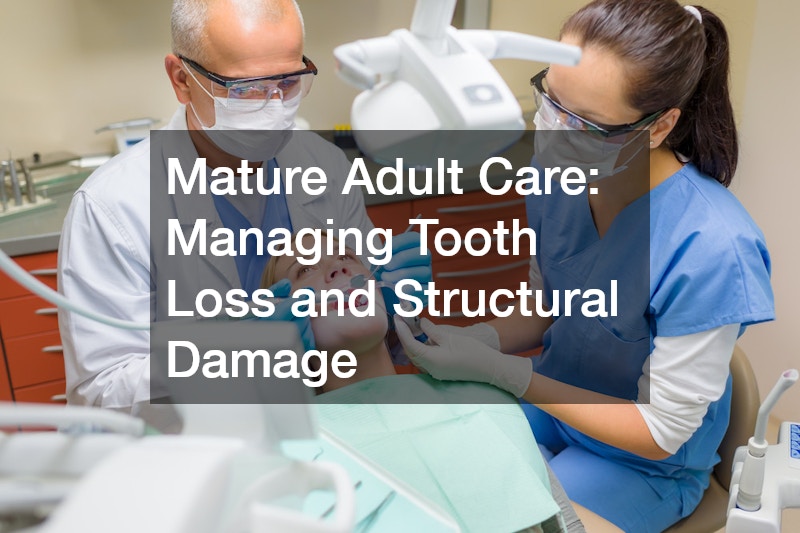
In mature adulthood, cumulative enamel wear, historical dental trauma, cracked teeth, and progressive systemic conditions can lead to structural damage that standard composite fillings or traditional crowns can no longer resolve. Advanced decay or severe periodontal disease may ultimately result in missing teeth, an outcome that affects far more than basic visual appearance. When a tooth is removed or falls out, the surrounding alveolar bone structure begins to gradually resorb, or shrink, over time due to the absence of natural root stimulation.
Furthermore, unaddressed spaces allow adjacent teeth to drift out of position, leading to bite misalignments and additional physical stress on remaining natural structures. Evaluating solutions for missing teeth early helps prevent widespread dental collapse, preserving facial proportions, speech clarity, and fundamental masticatory function and strength. Dental teams evaluate bone density and tissue health to select the most suitable restorative pathway for long-term health. Choosing to invest in stable structural restorations such as modern dental implants ensures that mature adults can maintain complete nutritional diversity without experiencing physical discomfort or chewing limitations in everyday life.
Advanced Restorative Solutions: Permanent Implant Technology
While traditional removable dentures and multi-unit dental bridges have assisted patients for generations, modern restorative dentistry relies heavily on advanced fixed structural replacements. Removable prosthetics can sometimes slide, irritate sensitive gum tissue, or fail to stop progressive bone resorption. In contrast, fixed modern restorations anchor directly into the biological framework of the jawbone as implant posts integrate directly into the bone, offering unmatched stability, natural comfort, and long-term durability. This modern approach effectively mimics the natural anatomy of tooth roots, preserving vital jawbone density and maintaining youthfully proportioned facial features for many years.
Among modern tooth replacement methods, dental implants represent the gold standard for replacing missing single or multiple teeth. These biocompatible post structures fuse directly with the jawbone through a natural process called osseointegration. Once fully integrated, implants support high-strength crowns, full bridges, or complete arch prosthetics without requiring support or alteration from neighboring healthy teeth. For individuals living with missing teeth, implant technology delivers a permanent, non-removable solution that looks, feels, and functions like original natural teeth. By preventing structural bone loss and stabilizing bite mechanics, implants allow older adults to speak, laugh, and eat with total freedom and confidence.
Preserving Gum Health and Esthetics in Senior Years
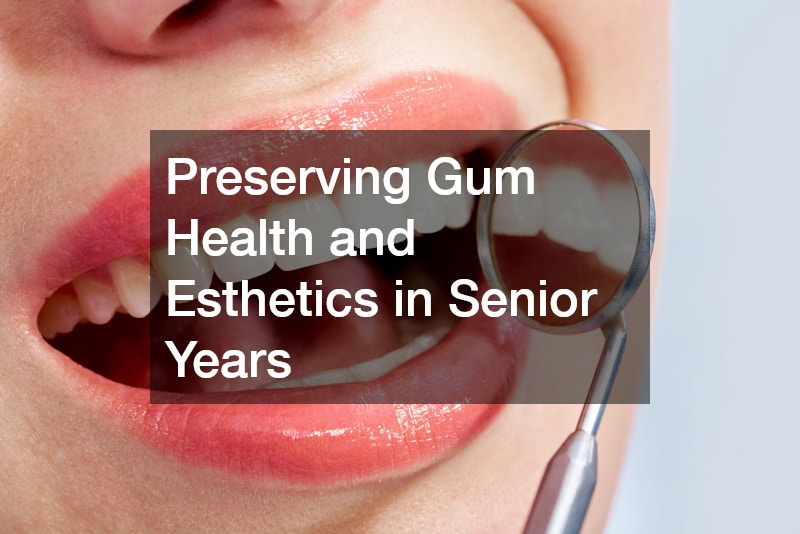
Maintaining oral health throughout senior years requires vigilant clinical monitoring of soft tissues, natural teeth, and existing dental restorations. As biological aging occurs, natural shifts in body chemistry and common prescription side effects – such as dry mouth – can significantly heighten the risk of rapid root decay and soft tissue irritation. Senior patients must maintain rigorous daily hygiene practices and receive specialized professional care to keep both natural teeth and artificial restorations in peak operating condition.
For seniors managing chronic gum recession or persistent periodontal pockets, non-invasive treatment modalities such as laser gum therapy help maintain tight soft-tissue seals around teeth without the discomfort, bleeding, or extended healing times associated with conventional surgical techniques. Additionally, mature individuals looking to refresh their personal appearance and confidence often elect to undergo gentle teeth whitening to lift decades of deeply embedded stains from their natural enamel. Combining precise, minimally invasive soft tissue care with targeted cosmetic enhancements empowers older adults to easily maintain both the physical health and visual vitality of their smiles throughout retirement.
Long-Term Orthodontic and Structural Stability
Orthodontic health is not exclusively a youth-oriented concern; preserving proper dental alignment is a lifetime commitment, while maintaining proper alignment across a lifespan. As humans age, teeth naturally experience a subtle forward migration known as mesial drift. Natural changes in bone density, routine chewing forces, and subtle facial muscle movements can gradually undermine previous alignment work, leading to unexpected, frustrating crowding or bite shifts in middle and late adulthood.
When unwanted shifting occurs later in life, experienced orthodontists can design customized, brief realignment strategies built specifically around adult bone structures. Adults seeking to correct late-onset crowding without visible metal hardware frequently choose clear aligners, which allow for gradual, precise tooth movements with minimal lifestyle disruption. Keeping teeth properly aligned into advanced age makes daily flossing far simpler, reduces abnormal tooth wear, and decreases mechanical strain on the temporomandibular joint. Maintaining optimal tooth positioning throughout late adulthood ensures that natural teeth and expensive restorative work remain functionally sound over many decades of active use.
The Essential Role of the Lifelong Dental Partner
Navigating the multi-decade lifespan of oral health requires a dedicated clinical team that thoroughly understands how individual health needs shift from childhood to retirement while delivering proactive clinical care at every step. A continuous family practice delivers vital continuity of care, tracking structural shifts over long periods and recommending proactive interventions long before minor issues transform into complex, expensive emergencies. Structured preventative exams, diagnostic digital imaging, and tailored hygiene counseling form the bedrock of a lifetime of overall health and wellness.
Partnering with a knowledgeable dentist offers individuals and families seamless access to a wide spectrum of care under one roof, ranging from gentle pediatric visits to complex adult restorations. For adults interested in discreet cosmetic alignment, consulting a provider for local Invisalign solutions ensures that aesthetic improvements align with long-term periodontal stability. Ultimately, approaching dental care as a cohesive, lifelong roadmap – rather than a series of reactive emergency room visits – allows patients of all ages to comfortably enjoy strong, functional, and visually radiant smiles through every single milestone of life.