
A throbbing tooth at 2 AM has a way of turning panic into a full-blown crisis, especially when every dentist office nearby appears closed. You are left wondering whether this pain can wait until morning or whether it signals something serious enough to require immediate attention. Understanding the warning signs, knowing your options, and having a plan ready can make the difference between a manageable situation and a trip to the emergency room. This guide walks you through what to do right now, and how to protect your smile long after the pain subsides.
How to Tell If Your Tooth Pain Is a True Emergency

Not every ache requires a midnight scramble for help, but certain symptoms are red flags that should never be ignored. Severe, throbbing pain that does not respond to over-the-counter medication like ibuprofen or acetaminophen often points to an infection or abscess that is actively spreading. Pain that keeps you awake, worsens when lying down, or radiates toward your ear or neck is another sign that something more serious than routine sensitivity is happening.
Swelling in the face, jaw, or neck, especially if it is making it hard to swallow or breathe, is a sign that you need emergency dental services immediately rather than waiting for a regular appointment. This kind of swelling can indicate that an infection has spread beyond the tooth into surrounding tissue, a condition that can become dangerous within hours. If you notice swelling extending toward your eye, or if your face looks visibly lopsided compared to just a few hours earlier, treat it as urgent.
Fever combined with tooth pain is another indicator that infection has taken hold and needs urgent attention. A temperature above 100.4°F alongside tooth pain, chills, or a general feeling of being unwell suggests the infection may be entering your bloodstream. Other warning signs worth noting include a foul taste in your mouth from draining pus, a knocked-out or badly broken tooth, and uncontrolled bleeding that doesn’t stop with gentle pressure after 10 to 15 minutes.
- Throbbing, relentless pain that worsens when lying down or doesn’t ease with over-the-counter painkillers like ibuprofen
- Visible swelling in the gums, cheek, or jaw — especially if it’s spreading, growing quickly, or affecting one side of your face
- Fever above 100.4°F, chills, or a general feeling of being unwell, which can signal a spreading infection
- A knocked-out tooth, a tooth broken to the point of exposed nerve (pink or bleeding center), or a fractured tooth with sharp edges
- Pain accompanied by difficulty swallowing, trouble opening your mouth fully, or a feeling of tightness in your throat
- Any combination of swelling plus fever plus difficulty breathing, which warrants an ER visit, not just an emergency dentist
What to Do the Moment Pain Wakes You Up
The first few minutes after waking up in pain matter more than most people realize. Start with a warm salt water rinse — about half a teaspoon of salt dissolved in a cup of warm water — swished gently for 30 seconds to flush out debris and reduce inflammation around the affected tooth. Avoid hot water if the tooth is sensitive to temperature, as this can sometimes intensify the pain rather than ease it.
Next, apply a cold compress to the outside of your cheek, using 15-20 minute intervals with breaks in between rather than continuous pressure. This helps numb the area and bring down swelling without risking skin irritation from prolonged cold exposure. If a cold compress isn’t available, a bag of frozen vegetables wrapped in a thin towel works just as well.
While you’re managing the immediate discomfort, take stock of any other symptoms — facial swelling, fever, or a foul taste in your mouth can signal an infection that needs faster attention than pain alone. Over-the-counter pain relievers like ibuprofen can help in the meantime, but avoid placing aspirin directly on the gum, since this can burn the tissue.
If you have access to a phone, many dentist offices now list after-hours emergency lines on their voicemail or website, so it is worth checking even at 2 AM. Some practices also partner with 24-hour dental triage services that can advise whether your situation warrants an emergency room visit or can wait until morning.
Avoid placing aspirin directly on the gum or tooth, as this is a common myth that can actually burn soft tissue and worsen irritation rather than relieve pain. Instead, take an over-the-counter pain reliever such as ibuprofen (200–400 mg) or acetaminophen as directed on the label, since these work systemically rather than through direct contact with the tooth.
A cold compress held against the outside of your cheek for 15–20 minutes can also help numb the area and reduce swelling, while rinsing gently with warm salt water may clear away debris irritating the gum. Try propping your head up with an extra pillow, as lying flat can increase blood flow to the area and intensify throbbing.
Keep track of when your symptoms started, what the pain feels like (sharp, throbbing, or dull), and whether it’s triggered by hot, cold, or pressure. Note the pain on a simple 1–10 scale and any changes over the next few hours. This information will help whoever treats you make a faster, more accurate diagnosis once you’re seen.
Common Causes Behind Sudden Severe Tooth Pain

Understanding what might be causing your pain can help you decide how urgently you need care. A cracked tooth can expose the nerve, causing sharp, sudden pain that spikes when you bite down or when hot and cold foods hit the area. This kind of pain often comes and goes, which can make it tempting to dismiss until the crack worsens.
An abscess, which is a pocket of infection at the root of a tooth, tends to cause deep, throbbing pain that often gets worse at night when you are lying flat and blood flow to the head increases. Abscesses may also come with swelling in the face or jaw, a bad taste in your mouth, or a low-grade fever, all signs that the infection needs prompt attention.
Gum disease, a lost filling, or a loose crown can also trigger sudden discomfort that feels far worse in the middle of the night than it did during the day. Exposed dentin from a missing filling, for instance, can turn a mild twinge into stabbing pain the moment air or saliva reaches the nerve. Even something as minor as a trapped piece of food between the teeth can mimic the intensity of a much more serious problem.
- Cracked or fractured tooth exposing the nerve, often from grinding, chewing ice, or an old filling weakening the structure
- Dental abscess or infection at the root, sometimes with visible swelling, fever, or a bad taste from draining pus
- Advanced gum disease causing inflammation and throbbing pain along the gumline, especially between teeth
- Lost filling or crown exposing sensitive tooth structure to air, heat, and cold
- Sinus pressure mimicking tooth pain in the upper jaw, usually affecting several back teeth at once rather than just one
- Deep decay reaching the pulp, where pain can intensify sharply at night when lying down increases blood flow to the head
- Trapped food or debris pushing against an inflamed nerve, which can flare up hours after eating
Simple Relief Measures While You Wait for Care
While you are waiting for morning or for a callback from a provider, there are a few safe steps you can take to manage pain at home. An over-the-counter pain reliever such as ibuprofen (following label dosing, typically 200-400 mg every 6-8 hours) can help control both pain and inflammation; acetaminophen is a reasonable alternative if you have stomach sensitivity or can’t take NSAIDs.
Clove oil, applied with a cotton swab directly to the sore tooth and surrounding gum, contains eugenol, a natural numbing compound many people find effective for temporary relief. A cold compress held against the outside of the cheek for 15-20 minutes at a time can also dull throbbing pain, while keeping your head elevated with an extra pillow reduces blood flow to the area overnight.
A warm saltwater rinse (about half a teaspoon of salt in a cup of warm water) can gently clean the area and ease irritation without stinging like some mouthwashes. Avoid placing aspirin directly on the gum, as this can burn the tissue rather than help.
Staying hydrated and avoiding very hot, cold, or sugary foods will also prevent additional irritation to the affected tooth. These measures are meant to make the wait more bearable, not to replace an evaluation from a dentist.
- Dab clove oil (or a store-bought benzocaine gel) onto the sore tooth with a cotton swab, no more than a pea-sized amount every 3-4 hours
- Take an over-the-counter pain reliever like ibuprofen (200-400mg) as directed on the label, since it also reduces inflammation
- Sleep propped up on two pillows or in a recliner, as lying flat increases blood flow to the head and can intensify throbbing
- Stick to soft, room-temperature foods like yogurt, mashed potatoes, or scrambled eggs, and skip anything hot, cold, or sugary
- Avoid chewing on the painful side entirely, even for soft foods, to prevent triggering sharp pain
- Rinse gently with warm salt water (1/2 teaspoon salt in 8 ounces of water) after eating to flush out debris without irritating the area
- Continue brushing softly with a soft-bristled brush, angling away from the sensitive spot rather than skipping oral hygiene altogether
- Note the time your pain started and any triggers, since this detail helps the dentist diagnose the problem faster at your appointment
Deciding Between the Emergency Room and a Dental Provider
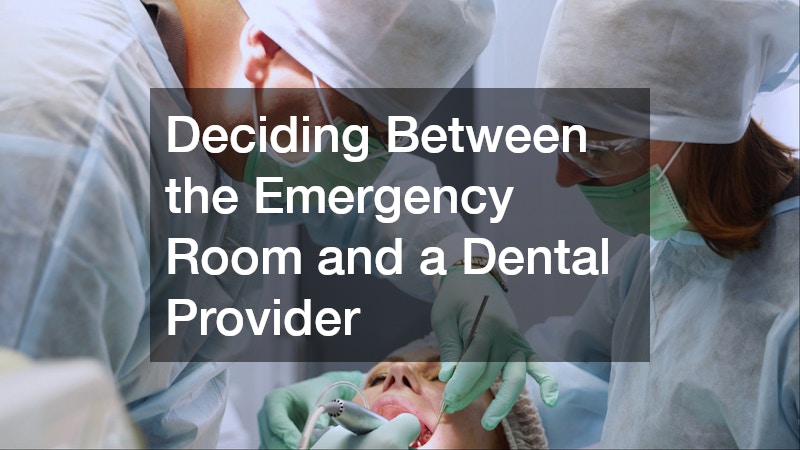
One of the most confusing parts of a middle-of-the-night dental crisis is figuring out where to actually go. Emergency rooms are equipped to handle facial trauma, uncontrolled bleeding, or infections that have spread to the point of causing breathing difficulty, but they typically cannot treat the underlying dental issue itself. In many of these more serious cases, a local oral surgeon is better equipped to address the root cause, since they specialize in complex extractions, infections, and jaw-related trauma. If your pain is severe but you are not experiencing swelling that affects breathing or swallowing, it is usually safer and faster to seek out a provider who focuses specifically on dental emergencies.
Hospitals may prescribe antibiotics or pain medication to stabilize you overnight, but you will still need a follow-up visit to actually resolve the problem. Knowing this ahead of time can save you from an unnecessary hospital bill when a dental specialist could have handled the issue directly. Always trust your instincts if something feels seriously wrong, since facial swelling and infection can escalate quickly.
Locating Help When Your Regular Provider Is Unavailable
If your regular office is closed for the night, do not assume you are out of options. Many communities have local dentists who participate in rotating on-call schedules specifically to handle after-hours emergencies. A quick search online, combined with calling your dental insurance provider’s helpline, can often point you toward someone available right away. Some areas also have 24-hour dental hotlines that can triage your symptoms and direct you to the nearest open clinic.
- Check your regular provider’s voicemail for after-hours instructions
- Search online directories for emergency dental clinics open now
- Call your insurance provider’s emergency assistance line
- Ask a 24-hour pharmacy if they know of nearby options
- Look for urgent care dental chains that operate extended hours
How Comfort-Focused Care Can Ease a Painful Visit
For patients who are anxious or in significant pain, the idea of an emergency dental visit can feel overwhelming on top of everything else. Many providers now offer sedation dentistry services designed specifically to keep patients calm and comfortable during urgent procedures. Options range from mild nitrous oxide, often called laughing gas, to deeper oral or IV sedation for more invasive work. This approach allows dentists to perform necessary treatment quickly while minimizing the stress and fear that often accompany emergency visits.
What Happens After the Emergency Is Resolved
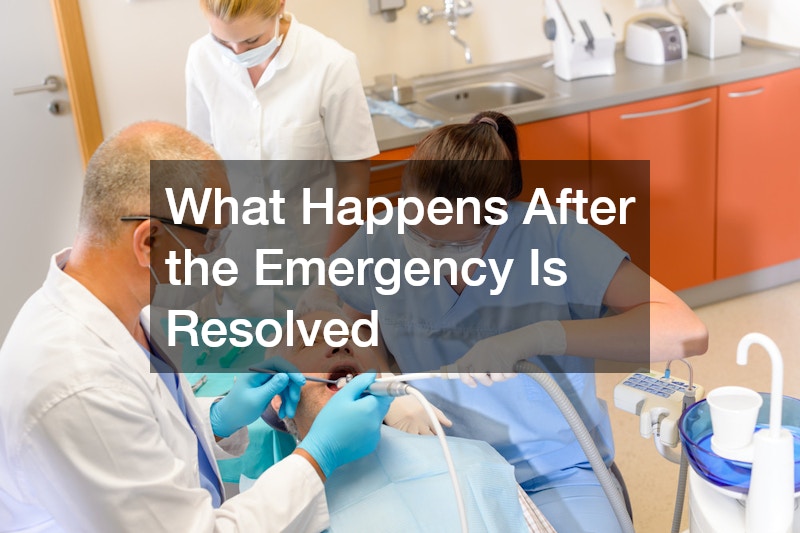
Once the immediate pain and infection are under control, your provider will likely discuss longer-term solutions to prevent the problem from happening again. If a tooth is too damaged to save, dental implants are often recommended as a durable, natural-looking replacement that restores both function and appearance. The dental implant procedure typically involves placing a titanium post into the jawbone, which then fuses with the bone over several months before a custom crown is attached. While this process takes time, it offers a long-term fix that prevents the kind of sudden, severe pain that sent you searching for help in the first place.
Getting Fast Treatment Without Long Waits
Speed matters when you are dealing with an infected or severely damaged tooth, which is why some clinics specialize in handling urgent cases without the usual scheduling delays. Same day surgical dentists are trained to perform extractions, drain abscesses, or address traumatic injuries within hours rather than making patients wait days for an opening. This kind of rapid response can prevent an infection from spreading further into the jaw or bloodstream. Choosing a provider who offers this kind of immediate access can be especially important if you are dealing with intense swelling or an injury involving a broken jaw.
When You May Need a Specialist Instead of a General Dentist
Not every dental emergency can be fully resolved by a general practice, especially if the issue involves alignment, bite problems, or complex bone structure. Orthodontists sometimes become involved when a sudden injury shifts teeth out of place or damages existing braces or retainers, requiring specialized adjustment. Discussing dental treatment options with a knowledgeable provider afterward can help you understand whether ongoing orthodontic care, a crown, or another restorative approach is the best path forward. Being informed about these choices ensures you are not making rushed decisions under the stress of late-night pain.
Tooth pain at 2 AM does not have to leave you feeling helpless or unsure of what to do next. By recognizing true emergency symptoms, trying safe relief measures, and knowing where to turn for urgent care, you can get through the night and address the underlying problem properly. Take time now, while you are not in pain, to research emergency options in your area so you are prepared if this ever happens again. Acting quickly and choosing the right kind of care will protect both your health and your smile for years to come.