

Key Takeaways
- Restoring damaged or missing teeth helps improve essential daily functions such as chewing, speaking, and maintaining proper nutrition.
- Early dental intervention can prevent small oral health issues from developing into more serious and costly problems.
- Modern dental procedures use advanced materials and technology to create durable, natural-looking results with greater patient comfort.
- Replacing missing teeth supports jawbone health, maintains facial structure, and helps preserve proper bite alignment.
- Repairing dental damage often improves self-confidence by helping patients feel more comfortable smiling and interacting socially.
- Consistent oral hygiene and routine dental visits are essential for protecting dental work and maintaining long-term oral health.
- Personalized treatment plans allow dental professionals to address each patient’s unique needs, goals, and overall oral condition.
A healthy smile affects far more than appearance alone. Strong teeth and healthy gums play a major role in speaking clearly, chewing comfortably, maintaining proper nutrition, and supporting long-term oral health. When dental problems such as cavities, damaged teeth, infections, or tooth loss are left untreated, they can gradually impact daily comfort, self-esteem, and overall well-being.
Restorative dental treatments are designed to repair or replace damaged teeth while improving the function and health of the mouth. These procedures help patients regain the ability to eat, speak, and smile with greater ease. Modern dentistry now offers a wide range of restorative solutions that are more comfortable, durable, and natural-looking than ever before.
Many people seek restorative care because of pain or discomfort, while others pursue treatment after realizing how much dental issues affect their confidence in social and professional situations. Whether addressing minor decay or rebuilding a severely damaged smile, restorative dentistry focuses on preserving oral structures and restoring quality of life.
This article explores how restorative dental treatments improve oral health and confidence, the most common procedures available today, and why early intervention can make a significant difference in maintaining a healthy smile for years to come.
What are Restorative Dental Treatments?
Restorative dental treatments are procedures that repair damaged teeth, replace missing teeth, and restore the overall function of the mouth. Unlike cosmetic procedures that mainly focus on appearance, restorative dentistry prioritizes health, strength, and functionality while also improving aesthetics as a secondary benefit.
These treatments can address many oral health issues, including:
- Tooth decay
- Cracked or chipped teeth
- Tooth loss
- Gum-related complications
- Worn enamel
- Dental infections
- Bite problems
The goal is not simply to fix a visible problem but to restore proper oral function and prevent additional complications from developing over time.
Modern restorative dentistry combines advanced materials, digital imaging, and minimally invasive techniques to create long-lasting results that closely resemble natural teeth.
Why Oral Health Matters More Than Many People Realize
Oral health is closely connected to overall health. Problems inside the mouth can influence various aspects of physical wellness and emotional well-being. Untreated dental issues may lead to pain, infection, difficulty eating, and even complications affecting other parts of the body.
Healthy teeth and gums contribute to:
- Proper digestion through effective chewing
- Clear speech and pronunciation
- Balanced facial structure
- Reduced risk of oral infections
- Better nutritional intake
- Improved self-confidence
When oral health deteriorates, everyday activities can become uncomfortable or embarrassing. Even minor dental issues can worsen if left untreated, often requiring more extensive procedures later.
Restorative dental care helps interrupt this cycle by addressing problems early and rebuilding damaged structures before complications escalate.
How Damaged Teeth Affect Daily Life

Many individuals underestimate how much dental problems interfere with routine activities until symptoms become severe. Damaged or missing teeth can affect both physical comfort and emotional health.
Difficulty Eating Certain Foods
Cracked, sensitive, or missing teeth may make chewing painful or inefficient. Patients often begin avoiding certain foods such as nuts, meats, fruits, or vegetables because of discomfort.
Over time, this can lead to:
- Poor nutrition
- Digestive issues
- Reduced enjoyment of meals
- Unhealthy eating habits
Restorative procedures help patients regain normal chewing function, allowing them to return to a more balanced diet.
Speech Challenges
Teeth play a critical role in pronunciation. Missing or damaged teeth can affect speech clarity and create difficulties with certain sounds.
This may lead to:
- Embarrassment during conversations
- Hesitation in public speaking
- Reduced communication confidence
Corrective dental work can restore proper speech patterns and improve communication comfort.
Persistent Pain or Sensitivity
Untreated dental damage often causes chronic discomfort. Toothaches, sensitivity to hot or cold foods, and jaw strain may interfere with sleep, work, and concentration.
Restorative care addresses the underlying causes of pain while protecting teeth from further deterioration.
Social and Emotional Effects
Many people become self-conscious about visible dental issues. They may avoid smiling, laughing, or speaking openly because they feel embarrassed about the appearance of their teeth.
Over time, this emotional burden can affect:
- Personal relationships
- Professional interactions
- Self-esteem
- Mental wellness
Restoring the health and appearance of teeth often leads to noticeable improvements in confidence and quality of life.
Common Types of Restorative Dental Treatments
Modern dentistry offers several restorative procedures designed to address different levels of dental damage.
Dental Fillings
Fillings are among the most common restorative treatments. They repair teeth affected by cavities by removing decayed material and filling the space with a durable material.
Modern fillings may be made from:
- Composite resin
- Ceramic
- Amalgam
- Glass ionomer
Composite fillings are especially popular because they blend naturally with surrounding teeth.
Fillings help:
- Stop tooth decay from spreading
- Restore tooth structure
- Prevent sensitivity
- Strengthen weakened teeth
Dental Crowns
Crowns are custom-made caps placed over damaged or weakened teeth. They restore shape, strength, and appearance while protecting the remaining tooth structure.
Crowns are often recommended for:
- Severely decayed teeth
- Cracked teeth
- Teeth after root canal treatment
- Worn teeth
- Large fillings that weaken the tooth
Modern crowns are highly durable and designed to resemble natural teeth closely.
Bridges
Dental bridges restore gaps caused by missing teeth by securing replacement teeth to adjacent natural teeth or dental implants for added stability and function.
Bridges can help:
- Restore chewing ability
- Prevent surrounding teeth from shifting
- Improve speech
- Maintain facial structure
Patients who replace missing teeth often experience significant improvements in both comfort and appearance.
Dental Implants
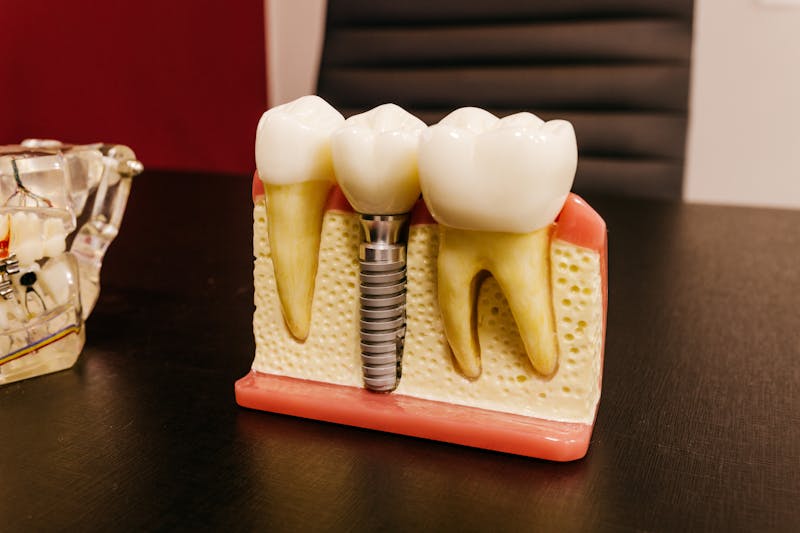
Dental implants are one of the most advanced restorative options available today. An implant consists of a titanium post placed into the jawbone to support a replacement tooth.
Implants offer several advantages:
- Long-term durability
- Natural appearance
- Bone preservation
- Improved stability
- Better chewing function
Because implants integrate with the jawbone, they help maintain facial structure and prevent bone loss that often occurs after tooth loss.
Root Canal Therapy
Root canal therapy is a restorative dental procedure used to treat teeth affected by deep decay, infection, or internal damage. During the procedure, the compromised pulp inside the tooth is carefully removed, and the inner chamber is cleaned and sealed to help preserve the natural tooth structure.
While root canals are often associated with discomfort, advancements in dental technology and anesthesia have made the treatment much more efficient and comfortable for patients today.
Root canals help:
- Eliminate infection
- Relieve pain
- Preserve natural teeth
- Prevent extraction
Saving a natural tooth whenever possible is often the preferred restorative solution.
Dentures
Dentures remain an effective solution for patients missing multiple teeth or full arches.
Today’s dentures are more advanced and comfortable than older versions. They can significantly improve:
- Eating ability
- Speech clarity
- Facial support
- Confidence
Partial dentures can replace several missing teeth, while full dentures restore complete dental arches.
The Link Between Restorative Dentistry and Long-Term Oral Health
Restorative dental procedures do more than fix immediate problems. They also help protect the future health of the mouth.
Preventing Additional Damage
Small dental problems can quickly become major complications if ignored. A minor cavity may eventually lead to infection, tooth fracture, or tooth loss.
Restorative treatments help stop progression early by:
- Reinforcing weak teeth
- Removing decay
- Treating infections
- Replacing missing teeth
Early intervention often reduces the need for more invasive and expensive procedures later.
Protecting Jawbone Health
Missing teeth can contribute to jawbone deterioration over time. When teeth are absent, the bone no longer receives stimulation from chewing forces, causing gradual bone loss.
Dental implants help preserve bone density by mimicking natural tooth roots.
Maintaining jawbone structure is important for:
- Facial appearance
- Bite alignment
- Oral stability
- Long-term dental health
Maintaining Proper Bite Alignment
Missing or damaged teeth may alter bite patterns, placing uneven stress on surrounding teeth and jaw joints.
Restorative treatments help maintain proper alignment and reduce strain that could contribute to:
- Tooth wear
- Jaw pain
- Headaches
- TMJ disorders
Balanced oral function supports both comfort and durability.
How Restorative Treatments Improve Self-Confidence
The emotional benefits of restorative dentistry are often just as significant as the physical improvements.
Feeling Comfortable Smiling Again
People with damaged or missing teeth frequently hide their smiles in photos, conversations, or public settings.
After treatment, many patients report feeling more comfortable:
- Smiling openly
- Meeting new people
- Participating socially
- Speaking in professional settings
A restored smile can positively influence personal and professional interactions.
Reducing Anxiety About Appearance
Visible dental problems can create ongoing self-consciousness. Concerns about bad breath, damaged teeth, or gaps may lead individuals to withdraw socially.
Restorative procedures help eliminate many of these insecurities by improving both function and appearance.
This emotional relief can contribute to:
- Better social experiences
- Increased self-esteem
- Improved mental well-being
- Greater overall confidence
Supporting Career and Professional Confidence
Confidence often affects workplace interactions. Individuals who feel embarrassed about their teeth may hesitate during presentations, interviews, or meetings.
Addressing dental concerns can help people feel more polished and self-assured in professional environments.
Restorative dentistry can be a part of a larger journey toward improving your smile and rebuilding confidence in everyday life.
Why Early Treatment Matters
Many dental issues worsen gradually over time. Waiting too long to seek treatment often results in more complicated procedures and higher costs.
Small Problems Can Escalate Quickly
A tiny cavity may seem harmless initially, but bacteria can continue spreading deeper into the tooth.
Without treatment, this can lead to:
- Severe decay
- Infection
- Root canal therapy
- Tooth extraction
Seeking care early typically allows for simpler and less invasive treatment.
Delaying Treatment May Increase Costs
Advanced dental problems generally require more extensive restorative work.
For example:
- A filling is usually less expensive than a crown
- A crown is less costly than an implant
- Preventive care is often cheaper than emergency treatment
Addressing issues promptly can save time, money, and discomfort.
Preserving Natural Teeth Whenever Possible
Modern dentistry emphasizes preservation. Natural teeth provide the best long-term function whenever they can be saved.
Restorative procedures help maintain existing teeth and minimize unnecessary extractions.
Keeping natural teeth often supports:
- Better bite strength
- Bone preservation
- Improved oral stability
- More predictable outcomes
Advances in Modern Restorative Dentistry
Dental technology has evolved dramatically in recent years, making restorative procedures more efficient, precise, and comfortable.
Digital Imaging and Scanning
Digital tools allow dentists to create highly accurate treatment plans and restorations.
Benefits include:
- Better precision
- Faster procedures
- Improved fit
- Enhanced patient comfort
Digital impressions can also eliminate the discomfort associated with traditional molds.
Stronger and More Natural Materials
Modern restorative materials are designed to closely resemble natural teeth while offering impressive durability.
These materials may include:
- Porcelain
- Zirconia
- Composite resin
- Ceramic blends
Patients can now achieve restorations that look highly realistic while maintaining strength for everyday use.
Minimally Invasive Techniques
Many modern procedures preserve healthier tooth structure than older methods.
This approach helps:
- Reduce discomfort
- Speed recovery
- Improve long-term outcomes
- Maintain stronger natural teeth
Minimally invasive dentistry prioritizes both preservation and patient comfort.
The Importance of Personalized Treatment Plans
Every patient’s oral health needs are unique. Effective restorative care requires careful evaluation and individualized planning.
Dentists consider several factors when recommending treatment, including:
- Severity of damage
- Oral hygiene habits
- Gum health
- Bone density
- Lifestyle habits
- Budget considerations
- Long-term goals
Customized care helps ensure that restorative solutions align with each patient’s specific needs and expectations.
Patients should feel comfortable asking questions and discussing concerns during consultations.
What to Expect During the Restoration Process
Understanding the treatment process can help patients feel more prepared and confident.
Initial Examination
The dentist typically begins with:
- A visual examination
- X-rays or digital scans
- Bite evaluation
- Discussion of symptoms and goals
This assessment helps identify underlying issues and determine appropriate treatment options.
Treatment Planning
After the evaluation, the dentist develops a personalized treatment plan outlining:
- Recommended procedures
- Estimated timeline
- Costs
- Expected outcomes
Patients may receive multiple treatment options depending on their situation.
Procedure and Recovery
Recovery times vary depending on the procedure performed.
Most restorative treatments involve:
- Minimal downtime
- Temporary sensitivity
- Follow-up appointments if necessary
Dentists usually provide detailed aftercare instructions to support healing and long-term success.
Caring for Restored Teeth
Restorative work still requires consistent maintenance to remain effective.
Good oral hygiene habits help extend the lifespan of restorations and protect surrounding teeth.
Essential Maintenance Habits
Patients should continue:
- Brushing twice daily
- Flossing regularly
- Attending routine dental checkups
- Avoiding excessive sugar intake
- Limiting tobacco use
Healthy habits reduce the risk of future complications.
Protecting Dental Restorations
Certain habits may damage restorative work over time.
Patients should avoid:
- Chewing ice
- Using teeth as tools
- Grinding teeth without protection
- Biting hard objects
Night guards may be recommended for patients who clench or grind their teeth.
How to Choose a Dental Provider for Restorative Care
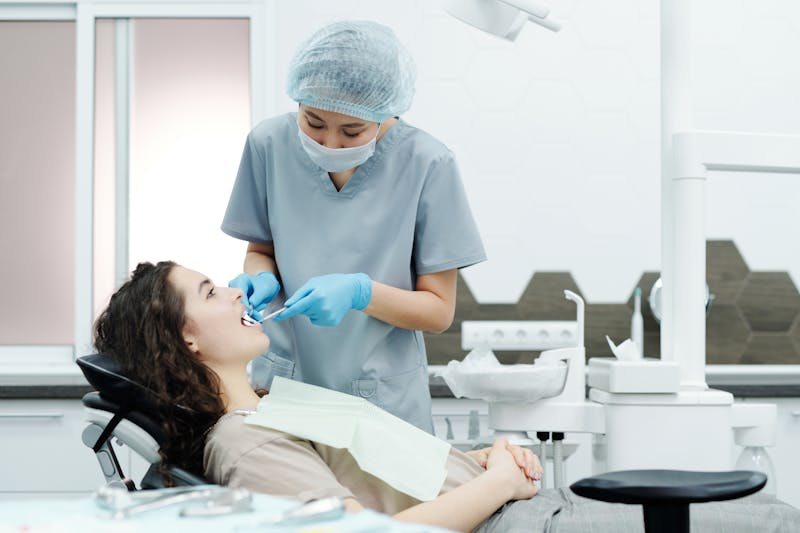
Finding an experienced and trustworthy dentist plays an important role in treatment success.
Patients should evaluate:
- Experience and qualifications
- Technology and equipment
- Patient reviews
- Communication style
- Treatment philosophy
Many individuals discover that choosing the right dental office can significantly improve comfort, trust, and overall treatment outcomes.
A supportive dental team often helps reduce anxiety and encourages patients to stay proactive about oral health.
The Emotional Impact of Rebuilding a Smile
The transformation that comes from restorative dental treatment often extends beyond physical appearance.
Many patients experience:
- Renewed confidence
- Greater comfort in social settings
- Improved willingness to smile
- Better quality of life
Being able to eat, speak, and smile comfortably can influence daily interactions in meaningful ways.
Some individuals even report feeling more motivated to maintain healthy habits after completing restorative care because they value their restored smile and oral health more deeply.
Addressing Common Fears About Restorative Dentistry
Dental anxiety prevents many people from seeking needed treatment. However, delaying care often leads to worsening problems and more complicated procedures later.
Fear of Pain
Modern dentistry has greatly improved patient comfort through:
- Local anesthesia
- Sedation options
- Minimally invasive methods
- Advanced technology
Many procedures are far less uncomfortable than patients expect.
Fear of Cost
Restorative treatment costs vary depending on complexity. However, postponing care often leads to higher expenses in the future.
Patients can ask about:
- Payment plans
- Financing options
- Insurance coverage
- Preventive strategies
Discussing concerns openly helps patients make informed decisions.
Fear of Judgment
Some individuals avoid dental visits because they feel embarrassed about the condition of their teeth.
Dental professionals are trained to help patients without judgment. Their goal is to improve oral health and support long-term wellness, not criticize past habits or delays in treatment.
The Future of Restorative Dentistry
The field of restorative dentistry continues to evolve rapidly with advances in technology and materials.
Emerging innovations may include:
- 3D-printed restorations
- AI-assisted diagnostics
- Faster implant procedures
- Regenerative dental therapies
- Enhanced digital customization
These developments aim to improve treatment precision, efficiency, and patient comfort even further.
As technology progresses, restorative dentistry will likely become even more accessible and effective for patients of all ages.
Conclusion
Restorative dental treatments play a vital role in protecting oral health, preserving natural teeth, and rebuilding confidence. Whether addressing cavities, damaged teeth, infections, or tooth loss, these procedures help restore the strength, function, and appearance of the smile.
Beyond physical improvements, restorative care often has a powerful emotional impact. Patients frequently experience greater comfort in social settings, renewed self-esteem, and improved quality of life after completing treatment.
Seeking care early, maintaining consistent oral hygiene habits, and working with a trusted dental professional can help patients enjoy healthier smiles for years to come. As modern dentistry continues advancing, restorative treatments are becoming more comfortable, natural-looking, and effective, giving patients more opportunities to restore both their oral health and their confidence.o