
Dental anxiety affects millions of people, serving as a major barrier to maintaining oral health. For many, the mere thought of a clinical environment triggers an increased heart rate and a profound sense of unease. This fear is frequently rooted in past negative experiences or a feeling of loss of control. However, modern dentistry has evolved to address these emotional hurdles. The current approach to patient care emphasizes psychological comfort, moving away from intimidating atmospheres toward a philosophy of gentle, patient-centered advocacy.
The high cost of avoiding care due to fear is not merely financial; it leads to a cycle of chronic pain and more invasive procedures that could have been avoided with early intervention. By shifting the perspective toward partnership, patients can begin to reclaim their autonomy. Understanding the stages of a visit demystifies the experience, transforming an overwhelming situation into predictable steps. This guide provides a roadmap for the nervous patient to navigate the professional landscape with newfound confidence.
1. Understanding the Role of the Modern Dentist
The goal of a modern oral healthcare provider is to serve as a compassionate educator who prioritizes long-term wellness. Generally, the contemporary approach involves a shift toward preventative strategies and minimally invasive techniques. Providers are increasingly trained to understand the roots of patient anxiety, adapting their communication styles to meet emotional needs. By fostering transparency and respect, the practitioner ensures the patient feels supported throughout their journey toward a healthier smile.
When looking for a specific provider, seek out a dentist who explicitly mentions an interest in treating anxious patients. You can identify these practitioners by reviewing mission statements or asking about specific protocols, such as sedation options. A dedicated professional will schedule a consultation-only visit where you can discuss your history without sitting in a treatment chair. This interaction allows you to gauge their bedside manner and determine if their philosophy aligns with your need for a gentle, slow-paced approach.
2. What to Expect Inside a Modern Dentist’s Office
The physical environment where care is delivered has undergone a transformation to reduce the clinical feeling that patients find intimidating. Generally, these spaces focus on sensory comfort, incorporating soft lighting, ergonomic furniture, and calming color palettes. The goal of this architectural shift is to lower baseline stress levels from the moment you walk through the door. By addressing visual and auditory triggers, the facility creates a psychological buffer that makes the transition to the treatment room feel less jarring.
Upon entering a dentists office, you may notice amenities like noise-canceling headphones to block equipment sounds or ceiling-mounted screens for distraction. For the nervous patient, arriving a few minutes early helps you acclimate to the environment without ruminating. You should feel empowered to ask for a facility tour before treatment begins to remove the fear of the unknown. Many practices also offer weighted blankets or aromatherapy, so ask the front desk staff about comfort options available to help you feel more grounded.
3. Comprehensive Assessments During an Exam
A diagnostic evaluation is the cornerstone of any effective treatment plan, providing a baseline for oral health. Broadly speaking, this process is a thorough screening of the entire oral cavity, including the tongue and throat. The objective is to identify anomalies early when they are most easily treated. For a nervous patient, understanding that this phase is purely observational can help lower the stakes, as it involves no drilling but rather a systematic collection of data through visual inspection and digital imaging.
Specifically, during a dental physical exam, the provider uses various tools to assess tooth integrity and gum health. This often includes a periodontal screening where the depth of the spaces between your teeth and gums is measured to check for inflammation. To make this easier, communicate with the hygienist about areas of sensitivity beforehand so they can be extra gentle. You might also ask to see intraoral camera photos on a monitor, which makes the assessment feel like a collaborative discovery session rather than a mysterious process.
4. Identifying Early Signs of Oral Health Issues
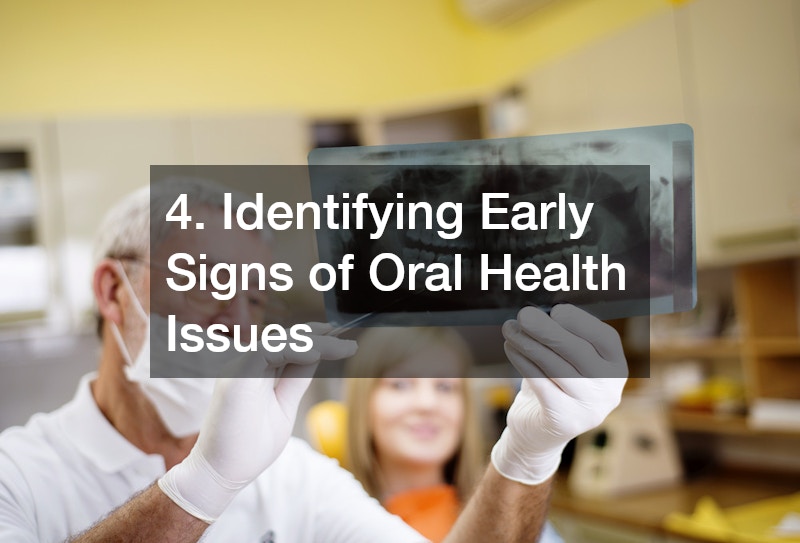
Being proactive requires an understanding of indicators that suggest the need for professional attention. In a general sense, the body communicates that something is amiss through subtle changes in sensation or appearance. Recognizing these early warnings is a powerful way for an anxious patient to regain control, as it allows for minor interventions that are much less stressful than waiting for a major problem. By paying attention to the daily condition of your mouth, you can maintain a higher level of comfort.
Specific signs that should prompt a visit include persistent gum redness, a metallic taste, or sensitivity to hot and cold. For someone with dental fear, keeping a log of these symptoms ensures you do not forget important details due to nerves. Another indicator is a change in the way your teeth fit together when you bite down, which can suggest jaw shifts or clenching. Addressing these issues early often means simpler treatments like a fluoride application rather than complex restorative work.
5. Advanced Materials like Bonding Agents
Modern restorative dentistry relies on materials designed to be durable and aesthetically pleasing while requiring minimal removal of natural tooth structure. Generally, the shift toward adhesive dentistry has revolutionized how we treat decay, moving away from large metal fillings. These materials allow for a conservative approach that preserves tooth strength and provides results indistinguishable from natural enamel. For the patient, this means shorter appointments and a finished product that feels integrated, reducing long-term anxiety.
In practice, a local bonding agent is a specialized resin that acts as the glue between the tooth and the composite material. This liquid is applied after the tooth is prepared and hardened with a specific light to create a high-strength bond. If you are nervous, ask the provider to explain each step, which involves a gentle cleaning followed by the adhesive. Understanding that this process reinforces the tooth can be very comforting. These agents also seal the tooth against bacteria, providing peace of mind that the repair is designed to last.
6. The Impact of Tobacco on Oral Wellness
Lifestyle choices play a significant role in the health of the oral cavity and the success of dental treatments. Broadly speaking, the use of tobacco products is detrimental to oral health, as it impairs blood flow to the gums and bone. This reduced circulation hinders the body’s ability to heal from infections or recover after surgery, leading to a higher risk of gum disease and tooth loss. For an anxious patient, knowing how these substances affect the mouth can provide motivation to seek cessation resources and protect their smile.
Specifically, the chemicals in tobacco cause teeth to become porous and stained, contributing to chronic bad breath and diminished taste. From a clinical perspective, tobacco use can mask gum disease symptoms by reducing bleeding during infection, leading to a false sense of security. Actionable advice for those who use these products is to be honest with your provider so they can perform a more rigorous oral cancer screening. Most professionals offer a judgment-free environment and can suggest specialized rinses that support your efforts to quit.
7. Corrective Options and the Use of Braces
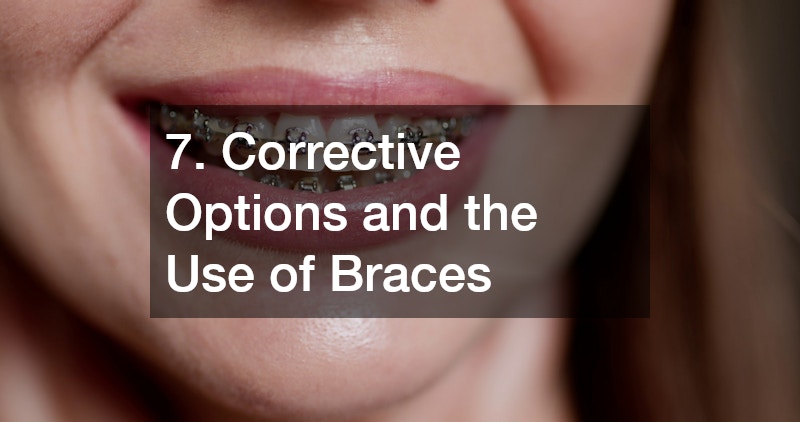
Orthodontic treatment is a common path for functional and aesthetic improvements, helping to align the bite. Generally, the idea of straightening teeth has moved beyond the teenage years, with more adults seeking services to resolve crowding or jaw pain. Correcting alignment is not just about a beautiful smile; it makes teeth easier to clean and reduces uneven wear that can lead to fractures. For a nervous patient, the predictability and gradual nature of orthodontic movement can make it a very rewarding form of care.
When considering braces, modern options include clear aligners and ceramic brackets that are less noticeable than traditional metal. If you have an intense gag reflex, seek out a practice that utilizes digital 3D scanners, which create a map of your mouth without messy putty. Actionable advice is to ask for a simulation of the expected results, which provides visual motivation. Understanding that modern wires use low, constant force to move the teeth also reduces the fear of pain, as the process is designed to be as gentle as possible.
8. Accessing a Reliable Emergency Dental Service
One of the greatest sources of anxiety is the fear of experiencing a sudden problem after hours without a plan. Broadly, having a relationship with a provider who offers a reliable emergency service can alleviate this stress. Knowing exactly who to call if you chip a tooth allows you to move from panic to action. Most modern practices have specific protocols for handling these urgent situations, ensuring their patients are not left without support during a crisis.
Specifically, ask your provider for emergency contact information and keep it saved in your phone. It is also helpful to understand what constitutes a true emergency, such as a tooth being knocked out or an infection accompanied by a fever. In the case of a knocked-out tooth, time is of the essence; knowing to keep the tooth in milk can save it before you reach the office. Actionable advice for the anxious patient is to pack a dental first aid kit for travel, giving you the tools to manage a minor mishap with confidence until you can see a professional.
9. Navigating Logistics with Insurance Providers
The financial aspect of healthcare can be just as stressful as the clinical side, creating anxiety about unexpected costs. In a general sense, the landscape of dental coverage involves various health insurance providers that offer support for different procedures. Navigating these benefits requires an understanding of plan limitations, such as annual maximums. By taking the time to understand your coverage before you sit in the treatment chair, you can eliminate the fear of a surprise bill and focus entirely on your clinical comfort.
To get specific, ask the administrative staff to provide a pre-determination of benefits for any recommended treatment. This involves the practice sending the plan to your insurance company to find out exactly what they will cover. Most dental offices are experienced in dealing with multiple health insurance providers and can help you maximize benefits by timing treatments strategically. Actionable advice for the nervous patient is to request a written estimate and clear explanation of all payment options, which makes a comprehensive plan feel much more manageable.
10. Finding Comfort in Diverse Dental Offices
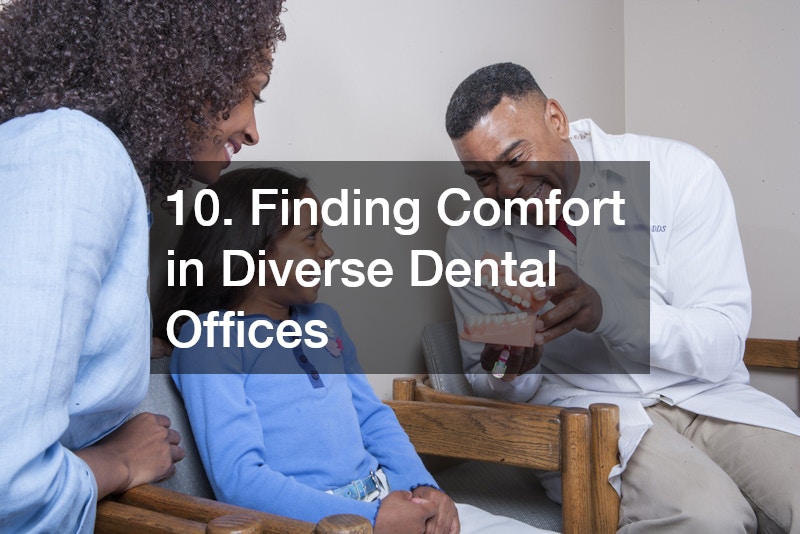
The variety of practice styles available means every patient can find an environment that caters to their comfort needs. Broadly speaking, the culture of different dental offices can vary from fast-paced clinics to intimate boutique practices. Some facilities focus on high-tech integration, while others emphasize long-term relationships. For the nervous patient, the ability to choose an office that feels like a good fit is one of the most effective ways to lower the barriers to seeking regular care.
Specifically, research local practices online to read patient reviews regarding how staff handle anxiety. You might find that some dental offices offer specialized sedation, while others provide private treatment suites. When you call to make an appointment, notice how the receptionist handles your questions; an empathetic voice on the phone usually reflects the philosophy in the treatment room. Actionable advice for those with high anxiety is to visit the dentists office once just to stand in the space and meet the staff without any procedure, which helps normalize the environment and build trust.
Overcoming dental anxiety is a journey requiring patience, communication, and professional partners. By understanding that modern techniques and materials are designed with your comfort in mind, you can replace fear with proactive care. The transition from avoidance to empowerment happens one step at a time, beginning with choosing an environment that honors your emotional needs. As you build a history of positive experiences, the physiological triggers that once felt overwhelming will begin to diminish, allowing you to view oral healthcare as a routine and life-affirming part of your self-care regimen.
Ultimately, navigating the professional dental landscape should lead to a state where you maintain a healthy mouth without debilitating stress. A healthy smile is a gateway to systemic wellness, affecting everything from cardiovascular health to self-esteem. By utilizing strategies like asking for transparency and understanding logistics, you are taking a significant step toward a lifetime of oral health. You are the most important member of your healthcare team, and with a compassionate provider, you can look forward to a future of confident, fearless smiles.