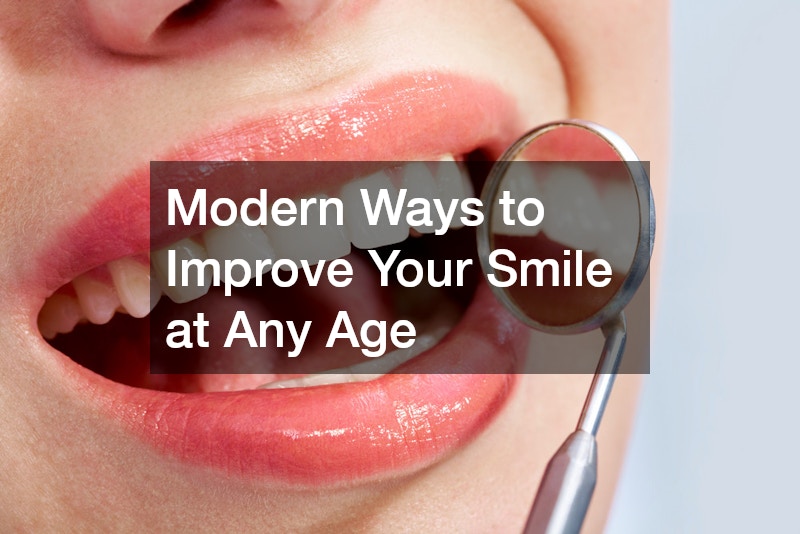

Modern Ways to Improve Your Smile at Any Age
A confident smile can influence far more than just how you look in photos. It often plays a role in how comfortable you feel speaking up, meeting new people, and navigating everyday interactions. When you feel good about your smile, you may be more likely to laugh freely, engage in conversations without hesitation, and project confidence in both social and professional settings. On the other hand, lingering concerns about your teeth can quietly affect self-esteem, leading some people to hide their smiles, avoid eye contact, or feel self-conscious during important moments.
While smile enhancement is often associated with younger years, that perception no longer reflects reality. Advances in dental care have made it possible for adults of all ages to improve their smiles in ways that are more comfortable, more predictable, and far less disruptive than in the past. Modern techniques focus on preserving natural tooth structure, minimizing discomfort, and tailoring care to each individual’s needs. Whether someone is addressing changes caused by aging, wear, or past dental work, there are now solutions designed to fit a wide range of health considerations and lifestyles.
Today’s options range from subtle refinements to comprehensive transformations. Some patients may want to make small adjustments, such as improving brightness or smoothing uneven edges, while others may be looking to correct concerns they’ve lived with for decades. Modern approaches allow for both ends of that spectrum. They can address long-standing issues like discoloration, crowding, or worn teeth, as well as age-related changes such as shifting alignment or gradual enamel loss. Just as importantly, these solutions are designed with longevity in mind, helping patients maintain their results with proper care over many years.
Whether your goal is a brighter appearance, straighter teeth, improved comfort, or better overall function, understanding what’s available empowers you to make choices that align with your priorities. Knowing the benefits, limitations, and maintenance requirements of different options helps set realistic expectations and prevents costly or unnecessary treatments. Taking the time to learn about these possibilities also makes conversations with dental professionals more productive and collaborative.
This guide is designed to walk you through the most effective modern approaches in a clear, practical way. It explains when certain options may be appropriate, highlights factors that influence outcomes, and provides actionable tips to help you plan improvements that fit your lifestyle, personal goals, and budget. By approaching smile enhancement with the right information, you can move forward confidently and make decisions that support both your appearance and long-term oral health.
How Modern Smile Solutions Address Common Concerns
Many adults feel unhappy with their smiles for reasons that have developed gradually over time. Discoloration, uneven wear, shifting teeth, or minor damage often accumulate over decades, making the smile appear older or less healthy than it actually is.
Modern cosmetic dentistry focuses on improving both appearance and function while minimizing discomfort and downtime. Unlike older approaches that prioritized speed over preservation, today’s treatments aim to conserve natural tooth structure whenever possible.
Common issues these solutions can address include:
-
Stains caused by coffee, wine, tobacco, or medications
-
Minor chips or cracks from wear or injury
-
Gaps or crowding that developed after orthodontic treatment
-
Teeth that appear short due to grinding or aging
-
Asymmetry in shape or spacing
What makes modern care especially appealing is customization. Treatments are tailored to your facial structure, bite, and long-term oral health, not just cosmetic trends.
Helpful planning tips:
-
Start with a comprehensive evaluation, including photos and digital scans
-
Identify which concerns are cosmetic versus functional
-
Prioritize solutions that improve durability as well as appearance
-
Ask about conservative options before committing to irreversible changes
How to Select the Right Professional for Your Smile Goals

Choosing the right provider plays a major role in the quality and longevity of your results. Experience, training, and communication style all matter when planning aesthetic improvements.
A skilled cosmetic dentist will take time to understand your concerns, explain realistic outcomes, and recommend options that align with your long-term oral health rather than pushing one-size-fits-all solutions.
When evaluating a provider, consider the following:
-
Education and continuing training in aesthetic techniques
-
Before-and-after photos of real patients with similar concerns
-
Use of modern diagnostic tools, such as digital impressions
-
Willingness to discuss alternatives and maintenance requirements
-
Clear explanations of costs, timelines, and expected results
Questions worth asking during a consultation:
-
What are the pros and cons of each recommended option?
-
How long will the results typically last?
-
What kind of upkeep or future treatment may be needed?
-
Are there non-cosmetic issues that should be addressed first?
Selecting the right professional ensures your improvements look natural, function properly, and age well over time.
Safe and Effective Ways to Brighten Your Smile
Tooth discoloration is one of the most common reasons people seek aesthetic improvement. While over-the-counter products are widely available, professional teeth whitening options offer safer, more predictable, and longer-lasting results.
Not all stains respond the same way to whitening. Surface stains from food and beverages typically improve quickly, while deeper discoloration caused by trauma or medications may require alternative solutions.
Key points to understand before whitening:
-
Professional systems use controlled concentrations for safety
-
Custom trays improve even coverage and comfort
-
Sensitivity can often be minimized with proper preparation
-
Whitening does not change the color of existing restorations
Best practices for maintaining results:
-
Limit staining foods and drinks immediately after treatment
-
Use a straw when consuming dark beverages
-
Maintain consistent oral hygiene habits
-
Schedule occasional touch-ups as recommended
For many patients, brightening the smile provides a noticeable confidence boost and serves as a foundation for other enhancements.
Discreet Options for Correcting Alignment Issues
For adults who want straighter teeth without the visibility of traditional hardware, clear aligners and Invisalign have become increasingly popular solutions. These systems gradually move teeth using a series of custom-made trays that are removable and nearly invisible.
They are especially appealing for professionals and older adults who prefer subtle treatment options that fit seamlessly into daily life.
Benefits often include:
-
Minimal impact on appearance
-
Easier oral hygiene compared to fixed appliances
-
Fewer dietary restrictions
-
Predictable, digitally planned results
Important considerations:
-
Trays must be worn consistently, typically 20–22 hours per day
-
Not all bite issues are suitable for aligner treatment
-
Attachments may still be needed for certain movements
-
Retainers are essential after completion
Patients who follow wear guidelines closely often achieve excellent results while maintaining flexibility and comfort throughout treatment.
When Traditional Orthodontic Solutions Still Make Sense
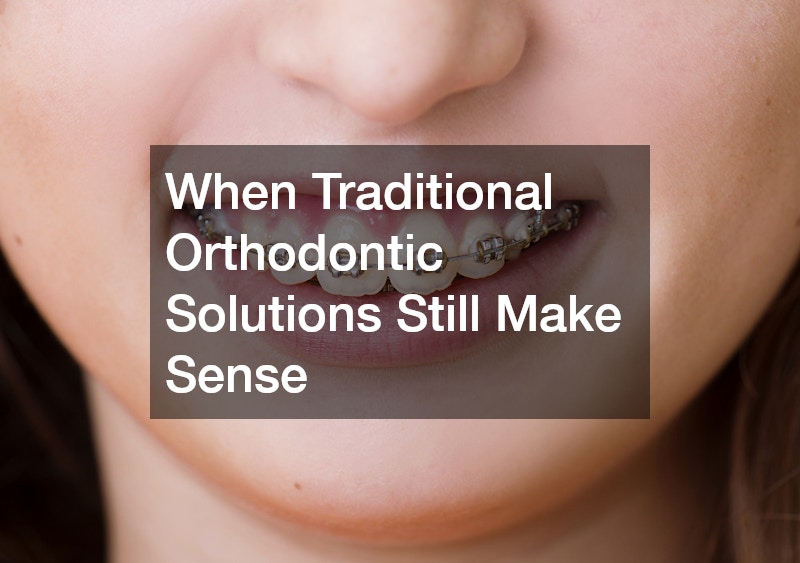
Despite advancements in removable systems, braces remain the most effective option for certain alignment and bite issues. Complex crowding, significant rotation, or jaw discrepancies often require the precision and control that fixed appliances provide.
Modern braces are more comfortable and efficient than those of the past, with options designed to reduce irritation and shorten treatment time.
Situations where this approach may be recommended:
-
Severe misalignment or overlapping teeth
-
Complex bite problems affecting function
-
Cases requiring precise vertical movement
-
Younger patients with developing jaws
Tips for a smoother experience:
-
Use orthodontic wax to prevent irritation
-
Maintain meticulous brushing and flossing routines
-
Follow dietary guidelines to avoid damage
-
Attend all scheduled adjustment appointments
While more visible, these systems often deliver the most reliable and lasting results for complex orthodontic needs.
Enhancing Tooth Shape and Symmetry for a Balanced Look
Some smile concerns go beyond alignment and color. Teeth that are uneven, worn, or disproportionate can affect how the entire smile appears. Veneers offer a way to improve shape, size, and overall harmony.
These thin coverings are bonded to the front surface of teeth and are customized to match natural color and contours.
Common reasons people choose this option:
-
Correcting chipped or uneven edges
-
Closing small gaps without orthodontics
-
Improving symmetry between teeth
-
Masking discoloration that does not respond to whitening
Key considerations before treatment:
-
Some enamel removal may be required
-
Results are long-lasting but not reversible
-
Proper bite alignment is essential for durability
-
Daily care habits significantly affect lifespan
When planned carefully, this approach can provide dramatic yet natural-looking improvements.
Restoring Strength and Appearance at the Same Time
Teeth that are cracked, weakened, or heavily restored may need reinforcement in addition to cosmetic improvement. Dental crowns serve both functional and aesthetic purposes by covering and protecting damaged teeth.
Modern materials are designed to closely resemble natural enamel while offering exceptional durability.
Situations where this option is commonly recommended:
-
Teeth weakened by large fillings
-
Cracks that compromise structural integrity
-
Severe wear from grinding
-
Restoring teeth after root canal treatment
What patients should expect:
-
Digital or physical impressions for a precise fit
-
Temporary coverage during fabrication
-
Minimal discomfort with modern techniques
-
Long-term protection when properly maintained
This approach is often integrated into broader smile improvement plans to ensure both strength and visual appeal.
For patients who are missing one or more teeth, dental bridges can play an important role in restoring both appearance and function. By anchoring a replacement tooth to neighboring teeth, this option helps maintain proper spacing, supports bite alignment, and prevents surrounding teeth from shifting out of place. In addition to improving chewing efficiency, this approach can enhance the overall balance of the smile and facial structure when planned carefully.
When Surgical Care Supports Long-Term Results

In some cases, foundational issues must be addressed before cosmetic improvements can succeed. Oral surgery may be necessary to correct structural problems, remove problematic teeth, or prepare the mouth for restorative care.
Although the idea of surgery can be intimidating, modern techniques focus on safety, precision, and faster recovery.
Common scenarios where it may be recommended:
-
Impacted or overcrowded teeth
-
Jaw alignment issues affecting bite and facial balance
-
Preparation for restorative or orthodontic treatment
-
Removal of damaged teeth that cannot be saved
Preparation and recovery tips:
-
Follow all pre-procedure instructions carefully
-
Arrange adequate recovery time
-
Use prescribed medications as directed
-
Attend follow-up visits to monitor healing
Addressing underlying issues first often leads to more stable and successful cosmetic outcomes.
Planning a Comprehensive Smile Transformation
Many patients see the most satisfying and long-lasting outcomes when smile improvements are approached as a coordinated process rather than a series of isolated fixes. When treatments are planned in a thoughtful sequence, each step supports the next, creating a more balanced and natural-looking result. This comprehensive approach also helps prevent situations where one procedure limits or complicates another later on, saving time, expense, and frustration in the long run.
Combining treatments allows underlying issues to be addressed before cosmetic refinements are added. For example, correcting alignment first can create a better foundation for later enhancements, ensuring that changes to color or shape look even and proportional. Similarly, reinforcing or repairing weakened teeth before focusing on appearance helps protect the investment and improves overall function. When procedures are coordinated, the final result often looks more cohesive because each improvement is designed to complement the whole smile rather than stand alone.
Examples of combined approaches include:
-
Alignment followed by brightening
Straightening teeth first allows for more uniform color results and may reduce the need for additional cosmetic work by improving natural symmetry. -
Structural restoration before aesthetic enhancement
Repairing cracks, wear, or damage early ensures that cosmetic changes are built on a stable foundation and are less likely to require revision later. -
Staged treatment spread over months or years
Spacing out procedures can make treatment more manageable physically and financially, while still working toward a clear long-term goal. -
Phased budgeting to make care more accessible
Breaking treatment into planned phases allows patients to prioritize essential steps first and schedule elective enhancements as resources allow.
Helpful planning strategies:
-
Address health and function first
Treating issues that affect comfort, bite, or tooth stability early reduces the risk of complications and supports better outcomes overall. -
Use digital previews to visualize outcomes.
Seeing a projected result can help clarify expectations and guide decisions about sequencing and scope. -
Build in time for healing between phases.
Allowing tissues to recover fully ensures that each step is performed under optimal conditions. -
Commit to long-term maintenance habits.
Consistent care and follow-up protect the results and help maintain improvements over time.
A well-planned transformation brings together aesthetics, comfort, durability, and cost in a way that feels intentional and sustainable. By viewing smile improvement as a journey rather than a single event, patients are more likely to achieve results that not only look appealing but also stand the test of time.
Schedule a Consultation
Improving your smile today is far different from what it was even a decade or two ago. Age is no longer a limiting factor, and concerns about pain, lengthy recovery, or unnatural results have largely been addressed through modern advancements. Treatments are now designed with comfort, precision, and customization in mind, allowing improvements to be tailored to your oral health, lifestyle, and long-term needs. Rather than forcing patients into a single approach, contemporary care emphasizes flexibility, offering options that work whether you’re addressing minor changes or more complex concerns.
One of the most significant shifts is the focus on combining appearance with function. Enhancing a smile is no longer just about how teeth look, but also how they feel and perform in everyday life. Better alignment can improve chewing efficiency, balanced restorations can reduce uneven wear, and thoughtful planning can help protect natural teeth for years to come. These improvements often contribute to overall oral health, making smile enhancement a practical investment rather than a purely cosmetic one.
Making informed decisions starts with understanding what options exist and how they apply to your specific situation. Learning about treatment timelines, maintenance requirements, and realistic outcomes helps eliminate uncertainty and builds confidence in the process. Equally important is working with experienced professionals who prioritize clear communication and long-term results. When expectations are aligned from the beginning, patients are more likely to feel satisfied not just immediately after treatment, but well into the future.
Whether you’re seeking a slight refinement or a more comprehensive change, modern advancements have made the path forward more accessible and predictable. Improvements can often be phased over time, adjusted to fit your schedule, and customized to reflect your personal preferences rather than a generic ideal. With the right information and thoughtful planning, achieving a smile that feels natural, comfortable, and uniquely yours is more attainable than ever before.