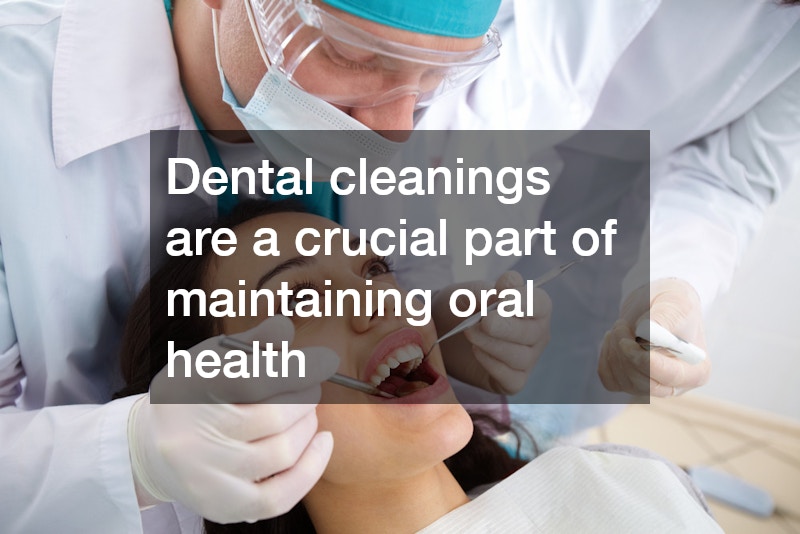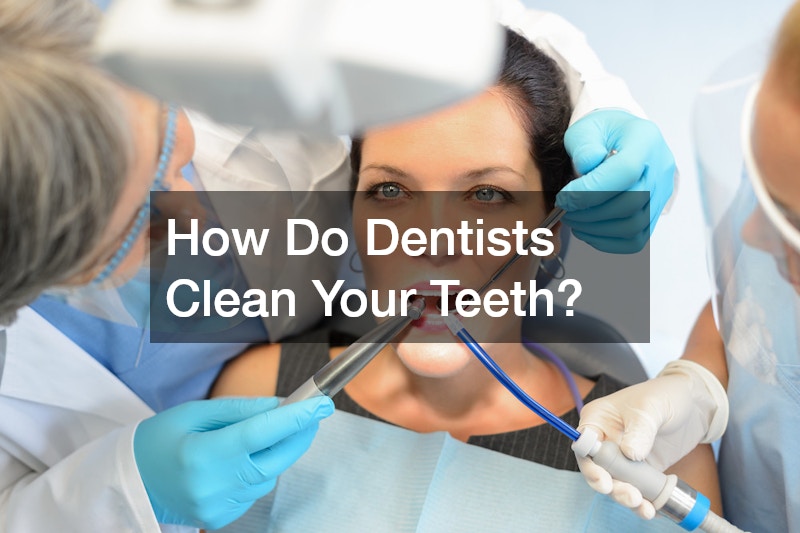

Dental cleanings are a crucial part of maintaining oral health, preventing cavities, and ensuring a bright smile. During a teeth cleaning session, dental professionals employ several techniques tailored to remove plaque, tartar, and stains. Understanding these steps can help alleviate anxiety associated with dental visits and underscore the importance of regular cleanings.
The entire process is usually painless and can significantly contribute to maintaining healthy gums and teeth. Not only does regular cleaning prevent gum disease, but it also helps to detect potential dental issues early on. By incorporating teeth cleaning into your routine, you invest in long-term oral health.
Even though daily brushing and flossing are essential, they aren’t always enough to remove all debris. Over time, plaque hardens into tartar, which requires removal by a professional. Thus, understanding each step dentists use can also reinforce good oral hygiene practices at home.
Step 1: Physical Examination
Before beginning the teeth cleaning process, your dentist or dental hygienist will conduct a thorough examination of your entire mouth. They use a small mirror to check around teeth and gums for any signs of inflammation or other potential concerns. This initial assessment ensures that the cleaning process is adjusted according to the specific needs of each patient.
The dental professional looks for cavities, gum disease, or other oral health issues that might need attention. Detecting these problems early through a professional examination can prevent more severe problems later on. Regular check-ups ensure that any minor issues are caught and treated before developing into significant problems.
If the dentist observes any major concern during the examination, they may pause the cleaning session to address the issue. It’s vital for them to ensure the overall health of your mouth before proceeding with the routine cleaning. This ensures personalized care that caters to each individual’s dental health requirements.
Step 2: Removing Plaque and Tartar
Once the examination is complete, the process of removing plaque and tartar starts. Even with diligent brushing and flossing, plaque buildup can occur in hard-to-reach areas around the teeth and gums. The dental hygienist uses a scaler to remove plaque and tartar from these areas, especially focusing on the areas between your teeth and near your gum line where most buildup occurs.
The scaler, a small metal tool, is instrumental in scraping off the hardened tartar deposits. This step is essential as tartar cannot be removed by regular brushing at home. Without proper removal, tartar buildup can lead to gum disease and other dental issues.
The thorough removal process ensures that your mouth is clear of these harmful substances, reducing the risk of cavities and gum diseases. This meticulous procedure underscores the importance of professional cleaning for long-term dental health. Patients often find this step the most important in the cleaning process because it brings immediate improvements to their oral hygiene.
Step 3: Professional Flossing
After plaque and tartar are removed, the next step is professional flossing. Professional flossing goes beyond the regular flossing you do at home, reaching deeply between your teeth to remove any remaining particles. This ensures that any small pieces of plaque or food left behind during earlier steps are completely cleared away.
The technique used by dental professionals targets all areas between your teeth, including areas that might be tricky to floss on your own. Thorough flossing is essential as it significantly reduces the risk of gum disease by cleaning between tooth areas where bacteria are most likely to build up. This step reinforces dental hygiene practices and can teach patients more effective flossing techniques.
Flossing by a professional is different and more thorough than at-home methods, highlighting the benefits of attending scheduled cleanings. It effectively removes debris that brushing and scaling can’t reach. This process contributes to maintaining a fresh and clean feel into the gumline, which patients notice immediately.
Step 4: Polishing and Fluoride Treatment
The final step in a dental cleaning is polishing the teeth to remove any surface stains and achieve a shiny finish. Polishing involves using a high-powered electric brush and a gritty toothpaste-like substance specifically designed for this purpose. This process remarkably smoothens the surface of the teeth, reducing chances for plaque buildup in the future.
Following polishing, a fluoride treatment is often applied to help protect your teeth and fight against decay. Fluoride is a mineral known for its properties in strengthening the enamel, making it more resistant to acid attacks from plaque bacteria and sugar. This protective layer lasts several months and gives an added barrier against cavities, ensuring the results of your dental cleaning are long-lasting.
This comprehensive cleaning process ends with both a polished look and fortified protection. Patients often leave the dental office with a noticeable sense of cleanliness and freshness. The fluoride treatment serves as a preventive measure designed to prolong dental health until your next visit.
Regular dental cleanings are fundamental to good oral health and should be a consistent part of dental care practices. By visiting the dentist regularly, you not only ensure thorough removal of dental buildup but also receive vital health assessments and professional guidance. The benefits of maintaining a routine cleaning schedule include healthier teeth and gums, reduced oral health risks, and fresher breath.
Educational components of dental visits can improve at-home care and provide patients with personalized strategies to maintain oral health. Dentists can recommend products and provide tips tailored to individual needs. The result is a bright smile and confidence that comes from knowing you are taking the necessary steps to preserve your oral health.
In conclusion, understanding the steps dentists take during a teeth cleaning can demystify the process and emphasize its importance. Prioritizing these visits tightens your defense against dental issues, significantly contributing to overall health. Therefore, always keep up with dental appointments and maintain excellent at-home oral hygiene to complement the professional work done during your hygiene visits.