
A full, functional set of teeth plays a central role in daily comfort, nutrition, and personal confidence. Over time, natural teeth can suffer from physical wear, unexpected trauma, deep decay, or age-related changes. When these challenges arise, modern oral health practices provide a wide range of solutions designed to repair damage and replace missing teeth. Patient care has advanced significantly over the past few decades, combining durable materials with refined techniques to produce results that look and feel entirely natural.
The primary goal of modern treatment is to rebuild basic functions like chewing and speaking while protecting existing jawbone structure. When teeth are lost or damaged, adjacent teeth can drift into empty spaces, creating bite misalignments and secondary joint issues. Addressing these problems early prevents larger structural complications down the road. Every individual presents a unique pattern of oral health, which means treatments must be carefully tailored rather than applied with a single template.
A solid foundation in general dentistry serves as the starting point for any restoration plan. Before embarking on complex restorative work, patients undergo comprehensive evaluations to assess gum health, bone density, and existing tooth structure. X-rays and digital imaging help practitioners catch hidden decay or inflammation that could compromise future restorations. Working closely with a trusted local dentist allows patients to establish clear goals and construct a realistic timeline for their treatment. Through careful planning and consistent routine care, individuals can address immediate discomfort while setting the stage for long-lasting oral health.
Aesthetic Transformations and Oral Function
Restoring a smile requires equal attention to mechanical strength and visual balance. Modern restorative techniques aim to mimic the shade, translucency, and shape of natural enamel so that structural repairs blend smoothly into the surrounding arch. When restorations closely mirror natural anatomy, patients can speak, laugh, and eat without feeling self-conscious about their appearance.
The connection between appearance and health is particularly clear in the field of cosmetic dentistry. Beyond simple stain removal, aesthetic restorations address cracked enamel, uneven spacing, and worn edges. When teeth wear down from grinding or aging, the lower face can take on a collapsed appearance due to lost vertical dimension. Rebuilding these surfaces restores proper proportions to the lower jaw, offering subtle support to surrounding facial muscles and skin.
Functional harmony is essential for long-term success. If a restored tooth strikes its opposing neighbor too hard during chewing, the excessive force can crack the restoration or damage the underlying root. Careful bite adjustments ensure that biting pressure spreads evenly across the entire arch. Practitioners evaluate how the upper and lower jaws meet during rest and active chewing. This balance protects both natural enamel and custom-built materials from premature failure. Through deliberate design, modern care brings balance back to the entire mouth, allowing aesthetic improvements to work hand in hand with structural durability.
Dental Implants as a Permanent Foundation
When a root structure can no longer support a tooth, replacing it from the root up offers the most stable solution available. Unlike traditional tooth replacement methods that sit on top of the gums, dental implants are placed directly into the jawbone to serve as artificial roots. Over a period of several months, the surrounding bone grows around the titanium post through a process called osseointegration, forming a rock-solid anchor for custom replacement crowns.
Choosing a single dental implant provides significant long-term structural benefits for adjacent natural teeth. Traditional dental bridges require neighboring healthy teeth to be shaved down so they can serve as supporting abutments. An implant, by contrast, stands independently. It bears its own load without putting strain on nearby enamel or sacrificing healthy tooth structure. Furthermore, the physical pressure created by chewing transfers directly down through the post into the jawbone, stimulating normal bone remodeling and preventing the bone loss that typically follows tooth extraction.
Candidates for this procedure must have healthy gum tissue and adequate bone volume to anchor the hardware securely. Advanced imaging technologies, such as three-dimensional cone beam scans, give practitioners a detailed view of nerve locations, sinus cavities, and bone thickness before any procedure begins. For patients who have suffered bone loss over time, bone grafting techniques can build up the jawbone to create a safe foundation. Once integrated, these restorations can last for decades with proper maintenance, offering superior stability for eating, speaking, and everyday living.
Surgical Precision and Local Care Options
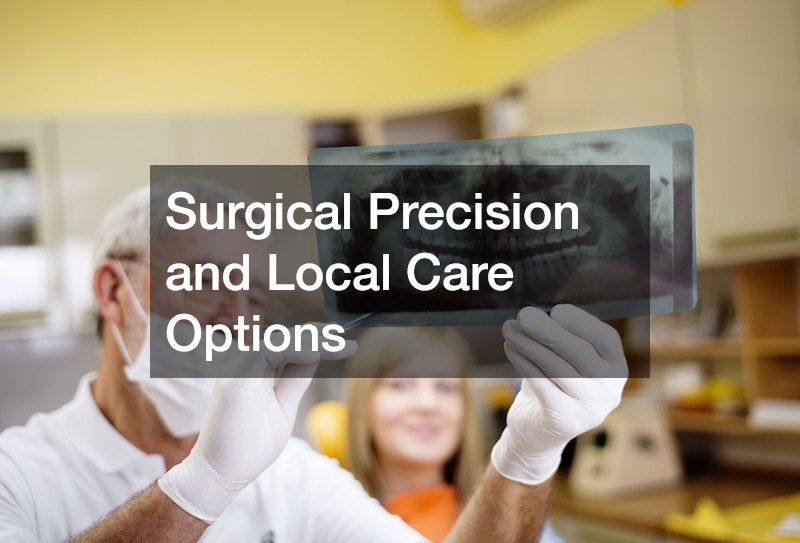
Placing hardware directly into the jawbone requires meticulous clinical preparation and precise surgical expertise. Every step of the procedure relies on exact measurements to avoid damaging sensitive nerves or sinus tissues. Modern surgical guides, generated from digital three-dimensional scans, map out the precise angle, depth, and placement of the artificial root before the physical procedure even takes place.
A patient undergoing oral surgery benefits from specialized techniques designed to minimize discomfort and speed up recovery times. Local anesthesia combined with targeted sedation options keeps patients comfortable throughout the treatment. Minimally invasive incisions reduce post-operative swelling and promote faster soft-tissue healing. Clear post-care instructions—such as managing physical activity, modifying dietary choices, and keeping the surgical site clean—help ensure that the bone and surrounding tissue heal properly around the post.
Accessing specialized care close to home simplifies the recovery process significantly. Choosing local dental implants means patients can attend initial consultations, placement procedures, and follow-up checks without traveling long distances. Frequent follow-up visits during the healing phase allow clinicians to monitor bone integration, evaluate soft tissue response, and make timely adjustments if minor complications arise. Proximity to care offers real peace of mind, knowing that qualified assistance is readily available throughout every phase of the treatment plan.
Strengthening Damaged Teeth with Crowns
When a tooth experiences severe structural damage but retains a healthy root system, full replacement is often unnecessary. Teeth broken by physical impact, weakened by large filling restorations, or compromised by deep decay require targeted reinforcement to preserve their natural function. Leaving a weakened tooth untreated increases the risk of complete fractures that might eventually force an extraction.
Custom crowns act as protective caps that cover the entire visible portion of a damaged tooth down to the gumline. To prepare the tooth, the dentist removes damaged tissue and shapes the outer enamel layer so the artificial shell can fit over it smoothly. Impressions or digital scans capture the precise dimensions of the prepared tooth, as well as the surrounding teeth, ensuring the final piece fits naturally into the patient’s existing bite.
Modern materials offer an impressive blend of structural strength and realistic appearance. Modern dental labs craft these full-coverage restorations from high-grade materials like porcelain, zirconia, or lithium disilicate. Zirconia offers outstanding resistance to heavy chewing forces, making it ideal for back molars, while porcelain fused to high-strength cores provides the natural translucency needed for front teeth. Once permanently cemented into place, the restored tooth reclaims its full functional strength, allowing patients to chew comfortably while protecting the remaining natural root structure underneath.
The Evolution of Modern Denture Solutions
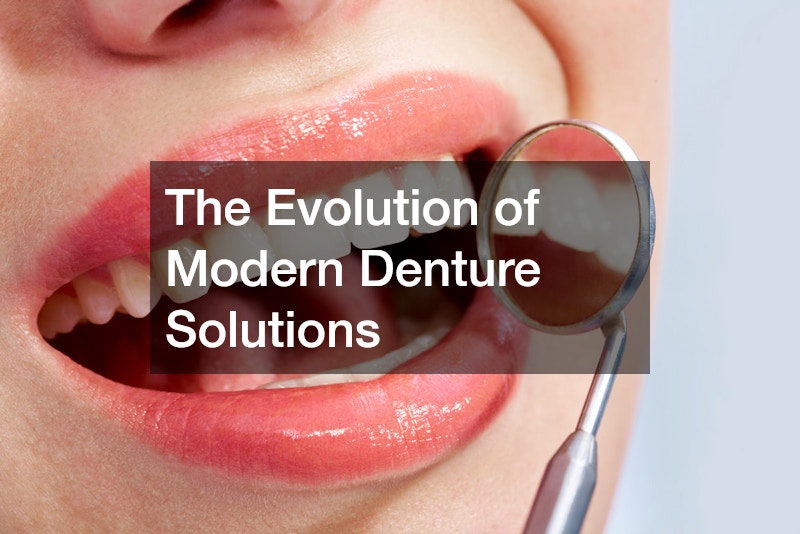
For individuals experiencing extensive tooth loss across an entire arch, removable appliances have long been a foundational treatment. Traditional removable options relied heavily on suction against the soft tissues of the palate or gums, often leading to slippage, sore spots, and reduced chewing efficiency. Modern materials and manufacturing techniques have dramatically changed how these prosthetics fit and perform.
Accessing customized denture services allows patients to receive appliances crafted specifically for their unique facial contours and jaw geometry. High-density acrylic resins and lightweight metal frameworks create bases that conform tightly to the contours of the gums. Modern artificial teeth feature multi-layered color gradients and realistic texturing, avoiding the artificial, overly uniform appearance of older prosthetics. The result is a secure appliance that allows patients to speak clearly and eat a wider variety of foods without fear of sudden displacement.
Implant-retained prosthetics represent another major step forward in full-arch restoration. By anchoring a removable or fixed appliance onto two to four strategically placed implants, patients enjoy far greater stability than traditional adhesives can offer. These hybrid systems prevent the appliance from shifting during speech or meals while continuing to stimulate the jawbone beneath. For patients seeking a practical way to replace an entire arch of teeth, modern choices provide an excellent balance between comfort, appearance, and financial value.
Correcting Alignment Before Restoration
Restorative dentistry often works best when paired with proper alignment. If existing teeth are severely crooked, tilted, or overlapping, placing crowns or implants can prove challenging. Misaligned teeth make it difficult for laboratory technicians to design prosthetics that fit seamlessly into the bite. Furthermore, crowded teeth create tight spaces that harbor plaque and bacteria, raising the risk of gum disease around new restorations.
Utilizing braces before beginning major restorative work creates an optimal environment for long-term treatment success. Orthodontic treatment shifts teeth into their correct positions, opening up appropriate spacing for missing teeth and establishing a balanced bite. When teeth meet evenly, chewing forces spread uniformly across the arch, protecting new restorations from unnatural stress points. Correcting alignment also makes daily brushing and flossing far more effective, helping keep the surrounding gums clean and healthy.
Modern orthodontic options include traditional metal brackets, clear ceramic fixtures, and removable transparent aligners. The choice depends on the patient’s specific alignment issues, lifestyle needs, and personal preferences. Once orthodontic movement is complete, the practitioner can place permanent restorations with far greater precision. This coordinated approach delivers a healthier overall bite, enhanced facial aesthetics, and long-lasting durability for every restorative component placed in the mouth.
Choosing the Right Care Team for Your Journey

A successful smile transformation requires open communication, clear expectations, and a collaborative team of oral health professionals. Because restorative treatment often involves multiple steps spanning several months, working with an experienced clinical team makes the process manageable and stress-free. Patients should look for providers who take the time to explain every option, walk through potential risks, and build individualized care plans based on specific goals.
Developing a long-term relationship with a family dentist brings real advantages when planning comprehensive treatment. A clinician who understands a patient’s complete medical history, lifestyle factors, and oral health habits is well-positioned to recommend solutions that fit their daily routine. Consistent care under one roof ensures seamless coordination between preventive checkups, minor repairs, and major restorative procedures. Family-centered practices also understand how genetic factors and aging impact oral health, allowing them to provide proactive care for patients at every stage of life.
When evaluating prospective providers, patients should ask about advanced diagnostic tools, material choices, and emergency care availability. Reviewing before-and-after cases of past treatments can offer valuable insights into a practitioner’s technical skill and artistic vision. A supportive care team answers questions thoroughly, provides clear cost breakdowns, and works closely with patients to keep treatments comfortable and transparent from start to finish.
Long-Term Maintenance and Aftercare
Achieving a healthy, fully restored smile is a major achievement, but ongoing maintenance is what keeps it looking and functioning well over time. Artificial teeth and dental hardware are resistant to decay, but the natural gums and bone supporting them remain vulnerable to infection and inflammation. Without consistent home hygiene and professional oversight, peri-implantitis or gum disease can weaken the foundation of even the most carefully placed restorations.
Daily oral hygiene habits must be adapted to fit specific restorations. Patients with individual posts or custom restorations should brush at least twice daily using a soft-bristled toothbrush and non-abrasive toothpaste. Special interdental brushes, water flossers, and specialized dental floss help clean around posts, bridge abutments, and tight contacts where normal floss might fray. Patients with removable appliances need to clean their prosthetics daily using dedicated non-abrasive cleansers to eliminate food particles and bacteria.
Routine professional checkups remain essential for catching small issues before they escalate into major problems. Dentists evaluate the structural integrity of restorations, check for signs of wear, examine gum tissues, and verify that the bite remains properly balanced. Professional cleanings remove hardened tartar that daily brushing misses, protecting the delicate attachment between gum tissue and artificial materials. By combining rigorous home care with routine professional monitoring, patients can protect their investment and enjoy a comfortable, reliable smile for decades to come.