
Selecting the right oral health professional for your child is one of the most important decisions you can make for their long-term wellness. While routine dental care is essential for every member of the household, the type of practitioner you choose shapes how your child perceives dental visits for years to come. Many parents naturally wonder whether to take their children to the practitioner who treats the rest of the household or seek out a dedicated specialist. Understanding the distinction between these two paths helps ensure your child receives care tailored to their unique physical and emotional development.
Specialized Training and Clinical Expertise
The most fundamental distinction between these two practitioners lies in their educational background and clinical focus. Every licensed dental practitioner completes four years of dental school to earn their initial degree, which qualifies them to diagnose and treat a wide array of oral health issues across patients of all ages.
Educational Extensions for Young Patients
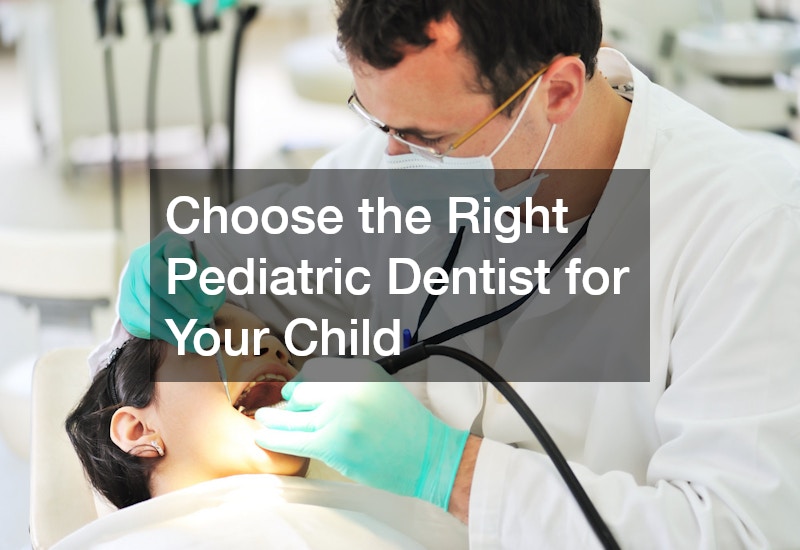
After completing general dental school, a pediatric dentist undergoes two to three additional years of rigorous residency training entirely dedicated to infants, children, teens, and individuals with special healthcare needs. During this postgraduate residency, specialists delve deeply into pediatric medicine, child psychology, growth and development, and advanced behavior guidance techniques. They also complete extensive training in pediatric pharmacology, sedation, and hospital dentistry, preparing them to manage complex oral health challenges and emergency trauma cases specific to growing mouths.
Comprehensive Household Care
By contrast, a general family practitioner focuses on treating patients across every stage of life. Their training equips them to handle adult restoratives, crowns, bridge work, and age-related oral health concerns alongside routine checkups for children. While many family practices comfortably treat older children and teenagers, their daily practice is shared among a vast array of adult and senior clinical needs.
Environments Tailored for Growing Minds
The physical environment of a practice plays an enormous role in setting a child’s expectations and easing anxieties. Children perceive dental offices very differently than adults, and sensory experiences can make the difference between a joyful visit and a fearful one.
Sensory-Friendly Office Designs
Offices established specifically for children are built ground-up with youth in mind. From bright, inviting waiting areas equipped with interactive games to open-treatment bays that allow nervous children to see their peers having positive experiences, every detail aims to minimize fear. Equipment is scaled down, with smaller dental instruments and digital imaging sensors designed comfortably for tiny mouths. The entire environment communicates safety, playfulness, and comfort.
Traditional Office Atmosphere
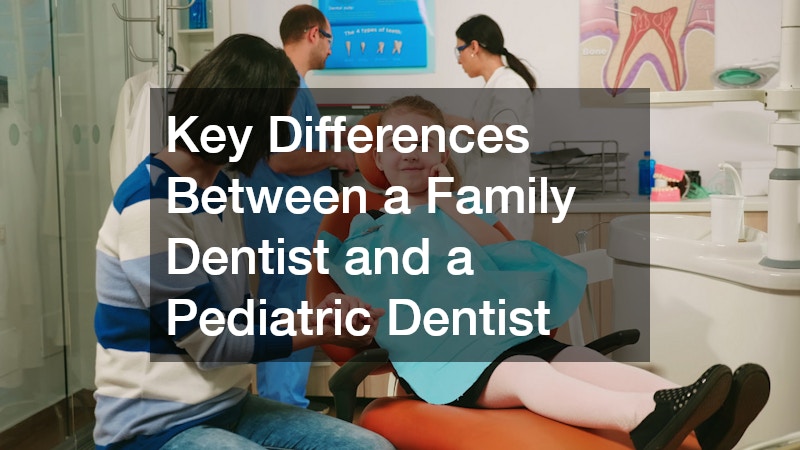
A standard family practice, while often welcoming and warm, is typically designed with adult patients in mind. Waiting rooms generally feature subdued lighting, quiet atmospheres, and mature decor. While many general practices provide toys or books for young visitors, the clinical areas and equipment are primarily built for full-grown adults, which can sometimes feel intimidating to a young child visiting for the first time.
Behavioral Strategies and Communication Techniques
Managing a young patient requires far more than technical clinical skill; it requires an acute understanding of developmental psychology and communication strategies tailored to short attention spans and childhood fears.
Specialized Behavioral Techniques
A specialist in young smiles receives formal training in advanced behavior guidance. They utilize proven psychological techniques, such as the “Tell-Show-Do” approach, where they explain an instrument in child-friendly language, show how it works on a finger or toy, and only then perform the procedure. They master gentle distraction, positive reinforcement, and specialized body language that helps calm anxious toddlers. Furthermore, for children with severe dental phobias or extensive treatment needs, these specialists are certified to offer a full spectrum of sedation options, ranging from mild nitrous oxide to general anesthesia in a hospital setting.
General Patient Interaction Styles
Family practitioners are skilled communicators who excel at explaining procedures to adults and older youth. However, because child psychology is not their primary daily focus, they may rely on standard communication styles that work well for grown-ups but occasionally overwhelm a toddler or young child. While many general practitioners have wonderful bedside manners with kids, they may lack the specialized behavioral toolkit required when a young patient experiences extreme panic or severe sensory overload.
Making the Best Choice for Your Household
Deciding where to take your child ultimately comes down to their individual personality, age, and health needs. Infants and toddlers often benefit immensely from the specialized environment and gentle behavioral guidance of a pediatric dentist, particularly when establishing their very first dental home. Children with physical, developmental, or sensory challenges also thrive under specialized care designed to accommodate unique needs.
Conversely, older children and teenagers who feel confident in clinical settings may find great convenience in visiting the same family practitioner as their parents. Whichever path you choose, establishing a routine dental care home early in life sets the foundation for a lifetime of healthy, happy smiles.