
The teenage years represent a period of profound transformation, marking the bridge between the innocence of childhood and the responsibilities of young adulthood. Among the many changes parents must navigate, few are as visible or as impactful on a young person’s self-esteem as the development of their smile. This transition is not merely about aesthetics; it is a complex intersection of biological growth, financial planning, and professional coordination.
For families currently moving through this phase, understanding the roadmap from primary teeth to a permanent, confident smile is essential. It requires a village of professionals, ranging from clinical specialists to financial advisors, all working in tandem to ensure the best possible outcome for the adolescent.
Managing this evolution often begins with a realization that the healthcare needs of a thirteen-year-old are vastly different from those of a toddler. The jaw is expanding, permanent teeth are finding their final positions, and the social pressure to look a certain way begins to mount.
This stage of life demands a shift in focus from purely preventative care to more proactive, corrective, and sometimes elective treatments. By looking at the journey through the lens of long-term health, families can make informed decisions that serve the teen well into their adult years.
The Foundation of Adolescent Wellness
Before diving into the specifics of dental alignment or tooth whitening, it is important to recognize that oral health is a component of overall physical development. During the early teenage years, the body undergoes rapid hormonal shifts that can affect everything from bone density to the sensitivity of the gums. Throughout this time, the primary healthcare provider remains a constant source of guidance.
A trusted pediatrician often serves as the first line of defense, monitoring growth spurts and ensuring that the teenager is meeting developmental milestones. These doctors are trained to notice the systemic issues that might manifest in the mouth, such as nutritional deficiencies or the mouth-breathing habits that can impact jaw alignment.
When the medical doctor and the dental specialist communicate effectively, the result is a holistic approach to the teenager’s health. For instance, if a doctor notices signs of sleep apnea or restricted airways, they might suggest a consultation with a specialist who understands how the structure of the mouth contributes to breathing.
This interconnectedness highlights why staying consistent with medical checkups is just as vital as keeping up with dental cleanings. As the teen grows, their medical history becomes a narrative that helps every other specialist provide more personalized and effective care.
Moving Beyond Early Childhood Facilities
As children enter their double-digit years, the environment in which they receive care often needs to change to reflect their growing maturity. Many parents find that the colorful, toy-filled waiting rooms of pediatric dentist offices no longer resonate with a teenager who is trying to establish a more adult identity.
While these specialized clinics provide exceptional care for young children, the transition to a more age-appropriate setting can help a teen take more ownership of their hygiene. This move is often about psychology as much as it is about clinical expertise.
Choosing a facility that feels more professional can encourage a teenager to speak directly with the clinical staff rather than letting their parents do all the talking. This shift in responsibility is a key part of the transition. When a teen feels that they are being treated like a young adult, they are more likely to follow instructions regarding flossing, diet, and the maintenance of dental appliances. It marks the beginning of a lifelong habit of personal health management, where the patient becomes the primary advocate for their own well-being.
The Evolution of Specialized Care
The transition away from the earliest stages of dental care is a natural progression. For years, the focus may have been on the gentle techniques found in childrens dentistry, where the primary goal was to prevent cavities in baby teeth and create a positive association with the dental chair. However, as the final permanent molars erupt and the jaw reaches its near-adult size, the clinical requirements become more sophisticated. The focus shifts toward the structural integrity of the bite and the long-term positioning of the teeth.
In this phase, the clinical team starts looking for issues like crowding, gaps, or misalignments that could cause wear and tear on the teeth over the next several decades. Addressing these concerns during the teenage years is often more effective because the bone is still slightly more pliable than it will be in adulthood.
It is a window of opportunity that, if utilized correctly, can prevent the need for more invasive surgeries or complex procedures later in life. The gentle, foundational care of the early years provides the perfect springboard for these more advanced developmental interventions.
Establishing Long-Term Professional Relationships
Many families find that this period is the ideal time to consolidate their care under a single roof. A family dentist offers a unique advantage because they can treat everyone from the youngest child to the grandparents. This continuity of care allows the practitioner to understand the genetic predispositions that might run in a family, such as a tendency toward certain types of enamel wear or specific alignment issues. For a teenager, seeing the same professional that their parents trust can build a sense of security and consistency.
Furthermore, a general practice that caters to all ages is often better equipped to transition a teen into adult-level cleanings and screenings. They can manage the routine maintenance while also keeping a close eye on the wisdom teeth, which typically begin to cause movement or discomfort in the late teens. Having a central home for dental records makes it much easier to coordinate with other specialists, ensuring that no part of the teenager’s treatment plan falls through the cracks during the busy high school years.
The Strategic Role of Alignment Specialists
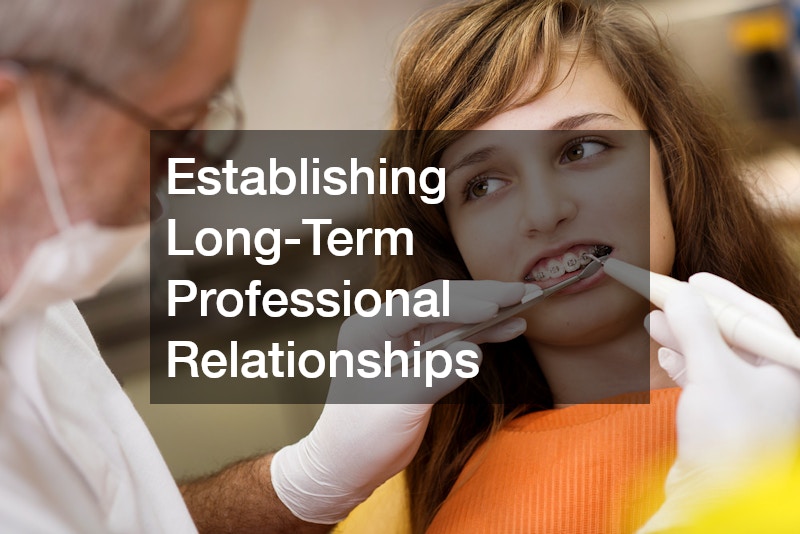
Perhaps the most iconic symbol of the teen years is the appearance of orthodontic appliances. Whether a teen is wearing traditional metal brackets or clear plastic aligners, the expertise of orthodontists is central to this stage of the journey.
These specialists spend years beyond dental school learning the physics and biology of tooth movement. They are the architects of the smile, calculating exactly how much pressure is needed to move a tooth without damaging the root or the surrounding bone.
The orthodontic process is often a long-term commitment, sometimes spanning two or three years. During this time, the specialist isn’t just straightening teeth; they are ensuring that the upper and lower jaws fit together in a way that allows for proper chewing and speaking. A well-aligned bite can prevent headaches, jaw pain, and uneven tooth wear.
For the teenager, the visible progress of their smile becoming straighter can be a massive boost to their confidence, helping them navigate the social complexities of high school with a bit more ease.
Balancing Care with Daily Obligations

One of the greatest challenges for modern families is the sheer logistics of the teenage schedule. Between sports, extracurricular activities, and advanced academic workloads, finding time for regular appointments can be a daunting task. This is further complicated when there are younger siblings involved who may still require child care or after-school supervision.
Parents often find themselves playing the role of a logistics coordinator, trying to sync up various appointments to minimize the time the teenager spends out of class.
To manage this, many successful families look for practices that offer extended hours or are located near schools and activity hubs. Some dental and medical offices have even begun to coordinate their schedules with local school calendars to ensure that major procedures can happen during breaks.
By planning these appointments strategically, parents can ensure that their teen receives the necessary care without the added stress of falling behind in their studies or missing important team events.
Navigating the Financial Landscape
The cost of comprehensive dental and orthodontic care is a significant consideration for any household. This is where the expertise of a qualified insurance agent becomes invaluable. Many dental plans have specific clauses regarding orthodontic coverage, often including age limits or lifetime maximums that differ from standard cleaning coverage. Navigating these details requires a clear understanding of the policy to avoid unexpected out-of-pocket expenses.
A professional agent can help a family determine if their current coverage is sufficient for the “teen smile” transition or if they should look into supplemental policies. They can also explain the benefits of using Health Savings Accounts (HSA) or Flexible Spending Accounts (FSA) to pay for braces or other corrective treatments using pre-tax dollars.
Having a financial strategy in place before the treatment begins allows the family to focus on the clinical outcomes rather than the monthly bills, making the entire process much smoother for everyone involved.
Leveraging Modern Technology for Convenience
The healthcare industry has seen a rapid integration of digital tools designed to make life easier for busy patients. One of the most significant advancements is the widespread use of telemedicine within the dental and medical fields. For a teenager, this might mean a virtual “check-in” with a specialist to determine if a broken wire or a lost aligner constitutes an emergency.
It can also be used for initial consultations, where a parent can discuss treatment options and costs with a doctor without having to pull the student out of school for an entire afternoon.
These virtual visits are particularly useful for follow-up appointments that are purely observational. By using high-resolution photos and video calls, practitioners can monitor progress and give instructions from a distance. This technology bridges the gap between the clinic and the home, providing a level of accessibility that was unimaginable a generation ago. It empowers the teenager to stay on track with their treatment plan while respecting the value of their time and the family’s busy routine.
The Final Polish and Aesthetic Goals
Once the structural work of alignment is complete, many teenagers and their parents begin to look at the finishing touches. This is where cosmetic dentistry services come into play. After braces are removed, it is common to notice some staining or slight irregularities in the shape of the teeth. Professional whitening treatments can remove the discoloration that sometimes lingers around where brackets were placed, giving the teen a truly radiant result.
In some cases, minor bonding might be used to fix a small chip or to close a tiny gap that couldn’t be fully addressed by orthodontics alone. These elective procedures are about more than just vanity; they are the final steps in a long journey toward a smile the teenager can be proud of.
When a young person is happy with how they look, they are more likely to smile frequently, which has been shown to improve mood and social interactions. These aesthetic choices are the “graduation” from the intensive corrective phase of their dental development.
Transitioning to Adult Maintenance
As the teenager approaches the end of high school, the goal shifts once again—this time toward maintaining the results of years of hard work. They will need to continue seeing a regular dentist for biannual exams to ensure that their teeth remain healthy and that their retainers are still fitting properly. This phase is about preservation. The permanent teeth that have been so carefully aligned and polished must now last for the next six or seven decades.
The relationship with a dental professional at this stage should focus on education. The teen needs to understand the risks of habits like smoking, acidic energy drinks, or neglecting their nighttime retainer. By the time they leave for college or start their first job, they should be fully equipped with the knowledge and the routine necessary to protect their investment.
The transition is complete when the patient no longer relies on a parent’s reminder to book an appointment, but instead views dental care as a non-negotiable part of their adult life.
A Legacy of Confidence
The journey through the “Teen Smile” transition is a multi-year project that requires patience, investment, and a team of dedicated professionals. From the early guidance of a medical doctor to the precision of an orthodontic specialist, every step plays a role in shaping the final outcome. It is a process that balances the rigors of clinical science with the nuances of adolescent psychology and the practicalities of family finance.
Ultimately, the effort put into this transition yields a reward that goes far beyond a straight row of teeth. It provides the teenager with a sense of self-assurance that will carry them through job interviews, social gatherings, and all the milestones of adulthood.
By navigating the complexities of insurance, scheduling, and specialized care with a clear plan, parents can give their children a gift that lasts a lifetime: a healthy, beautiful, and functional smile that reflects the bright future ahead of them. This transition is not just a change in dental status; it is a vital part of growing up, marking the moment when a child truly begins to look like the adult they are becoming. Through careful coordination and the right professional support, the path to that perfect smile becomes a manageable and rewarding experience for the entire family.