
Finding the right pediatric dentist for your child is a crucial decision that can influence their oral health and overall well-being. This guide will help you navigate through important considerations and common inquiries when choosing the best dental care provider for your child.
How do I evaluate the qualifications and experience of a pediatric dentist?
Understanding Credentials and Qualifications
A qualified pediatric dentist typically completes dental school followed by additional specialized training. This specialized training, known as pediatric dental residency, usually spans two to three years where they gain expertise in areas such as child psychology and clinical management of children.
Ensuring your dentist has the appropriate certifications and licenses is key in guaranteeing quality care. The American Board of Pediatric Dentistry offers board certification, signaling a commitment to excellence in pediatric dental practice.
Pediatric dentists should participate in ongoing education to remain informed of the latest advancements in dentistry. Dentists actively involved in their professional community often exhibit enthusiasm for learning and providing up-to-date care.
Assessing Experience and Specialization
In addition to general experience, it’s beneficial to seek out dentists who have a history of treating children with special care needs. Experience with specific conditions like autism or cleft palate can offer reassurance that your child’s unique needs will be met appropriately.
Reviews and testimonials from other parents can provide invaluable insights into a dentist’s ability to cater to young patients. A practice with a strong reputation for patient satisfaction is worth considering for your child’s oral health care.
Mentorship or collaboration within a dental practice is also notable as it indicates a shared pool of knowledge. Experienced colleagues can lend support and advice to newer pediatric dentists, benefitting your child.
What should I expect during the first visit to a pediatric dentist?
Preparation and Familiarization
Before the appointment, it’s essential to prepare your child by discussing what to expect and why dental visits are important. Reassuring your child’s concerns and answering questions can reduce anxiety and make them feel more secure.
Bringing a favorite toy or comfort object to the appointment could also help your child feel at ease in the unfamiliar environment. Some parents choose to role-play a dentist visit at home, explaining the process in simple terms.
The first appointment may require completing health history forms and discussing your child’s oral habits with the dentist.
Initial Assessment and Examination
Pediatric dentists often take a gentle approach during the first visit, focusing on building a rapport with the child. This initial interaction aims to establish trust and acclimate the child to the dental environment.
The examination will likely include checking for cavities, evaluating bite alignment, and assessing oral hygiene practices. The dentist may also take a set of x-rays if necessary to monitor developing teeth below the surface.
Following the assessment, the dentist will discuss their findings with you and propose a plan for ongoing dental care. This plan could involve regular cleanings, special fluoride treatments, or other oral health interventions.
How do I know if a pediatric dentist’s office is child-friendly?
The Importance of a Welcoming Environment
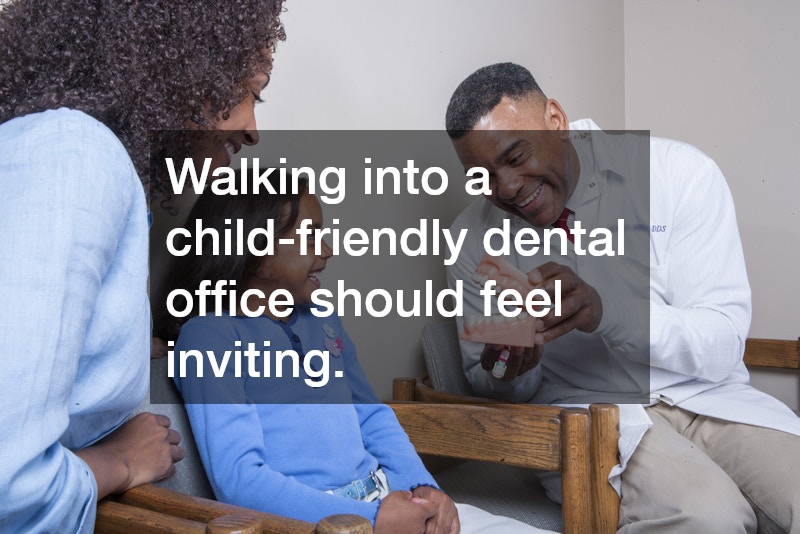
Walking into a child-friendly dental office should feel inviting, with bright colors and engaging decor aimed at relaxing young patients. A waiting area equipped with toys, books, and educational games can make waiting for an appointment more enjoyable.
Friendly and patient staff trained to interact with children is crucial in promoting a positive experience at the dentist’s office. Receptionists and assistants play a vital role in providing assurance and comfort throughout the visit.
Pediatric dental offices may incorporate child-sized furniture and other modifications to make children feel valued and comfortable. The familiar, friendly atmosphere encourages positive feelings about dental care and helps children look forward to future visits.
Interactive and Educational Resources
A modern pediatric dental office might feature interactive digital displays or educational resources about dental hygiene, making learning fun for children. Educating young patients on proper brushing techniques could help foster lifelong healthy dental habits.
Some clinics incorporate themed exam rooms or offer activities that distract and engage children during their treatment. Such features help reduce stress and anxiety that children commonly associate with dental visits.
The availability of educational take-home materials for both parents and children shows a commitment to fostering a partnership in oral health education. This ensures dental care extends beyond the clinic and into everyday routines.
Choosing the right pediatric dentist is about ensuring your child’s comfort and long-term oral health. By focusing on qualifications, first-visit experiences, and child-friendly environments, you can make a well-informed decision.
The journey of quality dental care starts with selecting a provider who understands and addresses the unique needs of your child. An informed choice today lays the foundation for a future of healthy smiles.